What Is A Thundersnow?
A thundersnow is a thunderstorm that takes place during a snowfall. Usually, snowstorms such as blizzards don’t create thunder and lightning, only snow and wind. This is a very unusual event, and you’re probably struggling to remember a time that this happened. You can probably remember experiencing several thunderstorms and many snowstorms, but remembering seeing a phenomenon like this is not nearly as common.
This type of storm combines the dangers of a blizzard with the scary impact of lightning. Freezing, wind, low visibility, and many other common dangers of blizzards are a given in this scenario, and they usually bring hail as well. The thunder and lightning sounds are generally very muffled, making them less noisy than other thunderstorms on average. While it can be very visually appealing to watch one from inside, this combination of threats can be very dangerous, as each can kill on its own.
How Does A Thundersnow Occur?
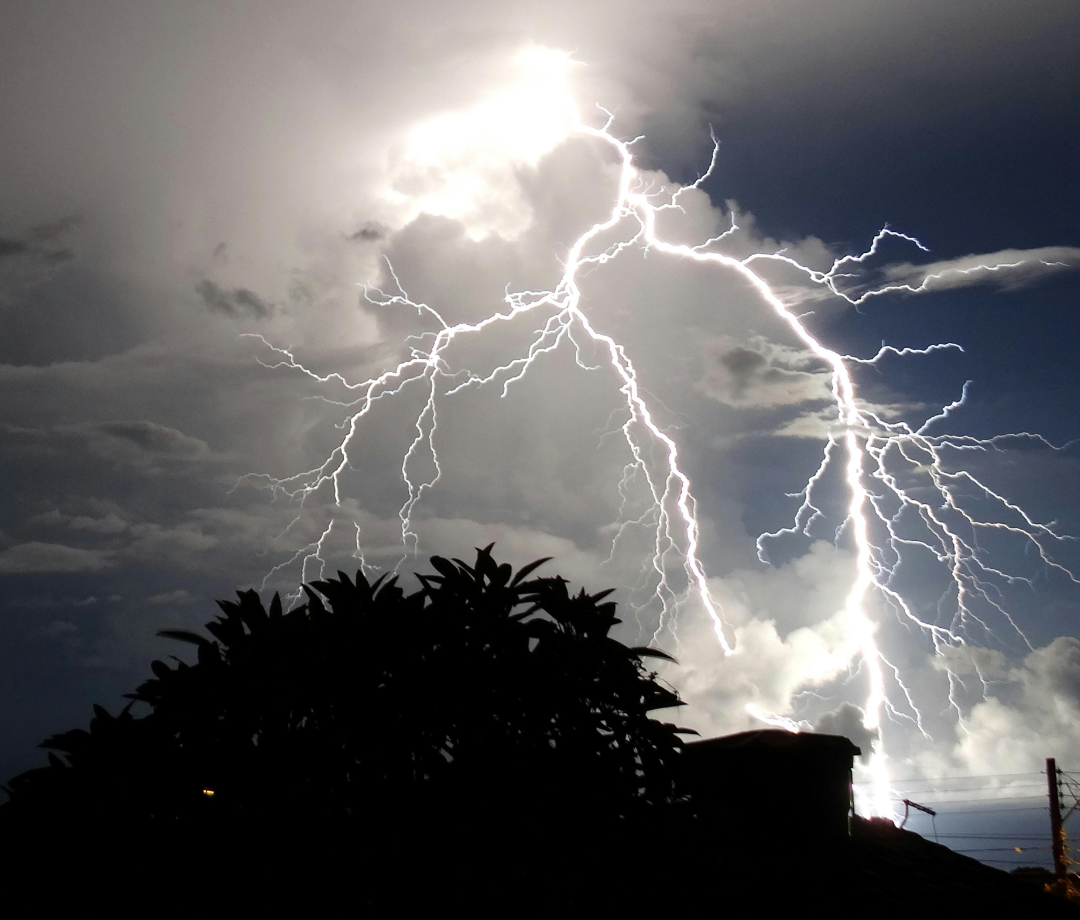
A thundersnow forms in the same way that thunderstorms do. Warm air rises into the atmosphere, getting high enough that said air freezes, forming ice pellets, and making the clouds they form negatively charged. This forms cumulonimbus clouds, which are known as ‘thunderclouds’ or ‘storm clouds’. When these negative charges try to ‘connect’ with positive ones, it creates lightning.
Why Is A Thundersnow So Rare?
The reason that a thundersnow is so rare is that the pattern that starts the process is difficult to create. Warm air rising won’t happen in colder temperatures, simply because the cooler temperatures prevent warm air from existing in the first place, meaning that the cumulonimbus clouds generally don’t form, and if they do, they form lower in the atmosphere, making this type of storm more difficult. This unlikely formation process means that usually a single digit number of thundersnows occur each year in all of North America. It is estimated that out of every 100,000 thunderstorms, only seven of them will be thundersnows.
Where Do Thundersnows Occur?
Technically, a thundersnow is possible anywhere; however, areas susceptible to lake effects, as well as near mountains, are the most common places where thundersnows occur. In Canada, the coasts, the Great Lakes, and areas near the Rocky Mountains are the most likely areas for thundersnow to occur. There is, however, no place on Earth where thundersnows are a normal occurrence.