Why Do Leaves Change Colour In The Fall?
The changing colours of leaves are the first thing many people think of when they think about fall. It happens every year, and for a brief time, we seem to get leaves in a variety of colours. While there are a few types of trees with leaves that don’t change colour (these are known as coniferous), most trees do get a variety of reds, yellows, browns, and others. The ones that do change colours are called deciduous.
Leaves on deciduous trees usually appear green because of the chlorophyll in them. Chlorophyll is a green pigment found in leaves that help it successfully collect energy from the sun, which helps the tree gain energy and release oxygen. However, chlorophyll must be actively produced, or it runs out quickly. In the fall, the trees don’t get as much sunlight, and as a result, they stop producing chlorophyll for their leaves. This means that the leaves will no longer produce chlorophyll, and as a result, the leaves no longer appear green.
Where Do Leaves Change Colour In The Fall?
This might seem like a strange question to ask for some, as many reading this have likely heard since kindergarten that “leaves change colour in the fall”. However, this is not a global phenomenon.
In many places near the equator, trees receive enough sunlight year-round to produce chlorophyll throughout the year, and as a result, leaves are green year-round. This means that many countries on the equator, like Kenya, Colombia and Ecuador, don’t have leaves that change colour at all. Some countries that are large enough, such as Brazil, have some places that do and some places that don’t. Places far enough north or south to not have deciduous trees also don’t have them change colour.
What Time Do Leaves Usually Change Colour?
While it is mostly true that leaves change colour in ‘the fall’, this isn’t globally true, as the further from the equator a location is, the sooner the change will start. In the territories, for example, leaves can begin changing colour as early as August, which is still technically summer. In Ontario, timing varies: in the northern part of the province, colours begin to change at the end of September, while in the Toronto area, the process generally starts in early October. When you get down to the southern parts of the USA, like Florida or Texas, leaves begin changing colour at the end of October, if at all.
What Do The Different Colours Mean?
Something that’s much more obscure is that different leaves turn different colours for many reasons.
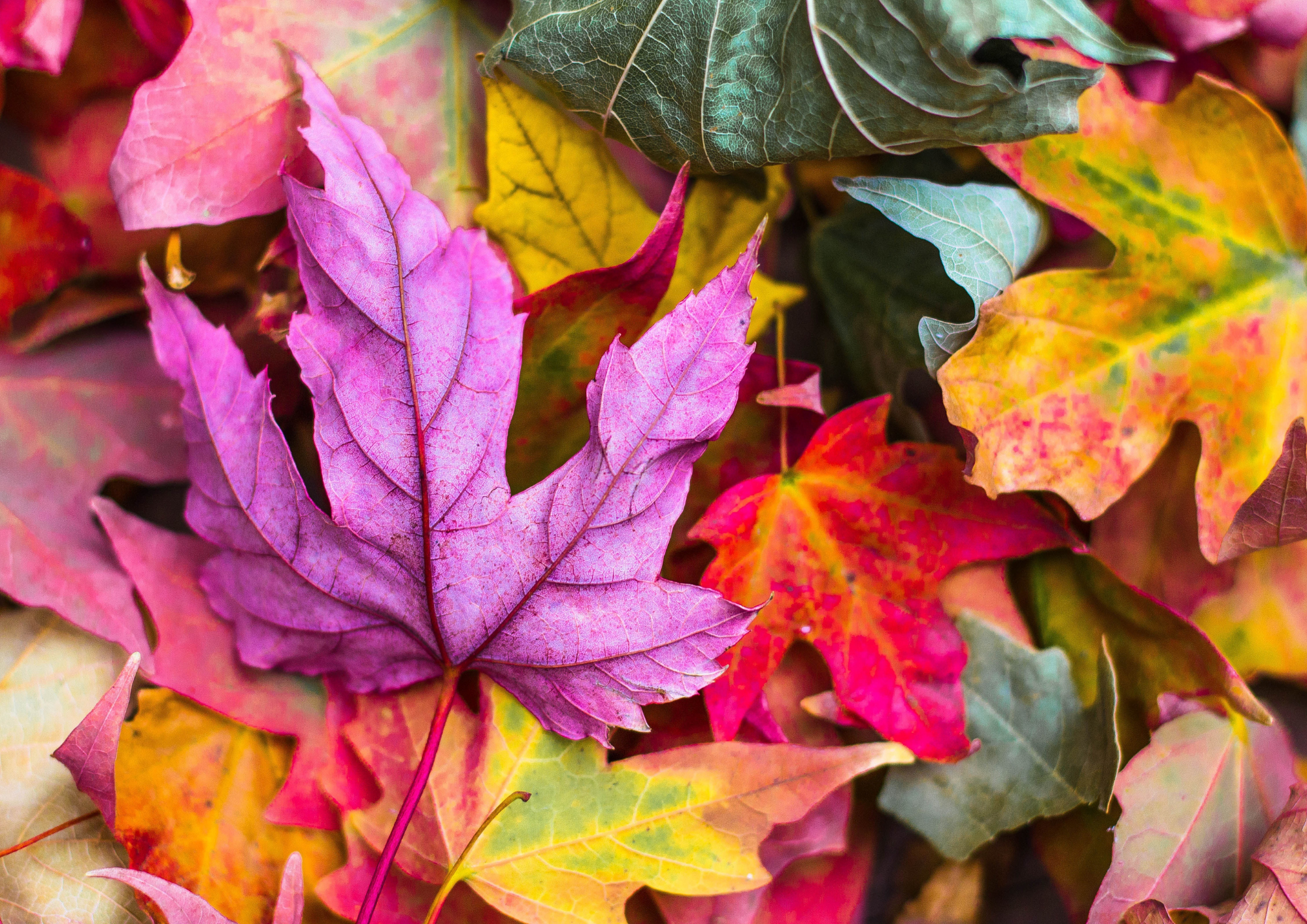
Yellow and gold leaves are usually these colours because they contain carotenoids, which are pigments that are these colours. These leaves naturally contain these colours; the green chlorophyll just covers them up.
Red and purple leaves are the result of sugars called anthocyanins getting trapped in the leaves during the fall.
Brown leaves are caused by a pigment called tannins, which make the leaves difficult to eat for herbivores.
It’s important to remember that leaves changing colour is something that you can only appreciate briefly, if at all, and should be appreciated in places where it happens.