What Is The Climate Of Regina?
According to the Koppen Climate Classification, Regina has a Dfb climate. This means that it goes under the continental category (D), with no dry season (f) and a warm summer (b).
A continental climate is one of the five main types of climate, which measures the temperature of an area. There are tropical (A), dry (B), temperate (C), continental (D), and polar (E). While dry measure precipitation, the rest measure temperature. The extremes are tropical, which is what a city is given if each month averages 18 C (64 F) or higher. The other extreme is a polar climate, where every month has an average temperature of 10 C (50 F) or lower. Any city that has neither extreme and gets enough precipitation to avoid the title of dry is either continental (D) or temperate (C).
Both of these types of climate have at least one month with an average temperature above 10 C (50 F), and one month with an average temperature below 18 C (64 F). Both types of climate are susceptible to major storms, like thunderstorms or even tornadoes, with many cities, including Regina, being part of Canada’s tornado alley. Both types of climate also generally have leaves change colour in the fall. What separates them is whether or not they have at least one month where the temperature averages below freezing. If it does, it’s continental, like Regina. Otherwise, it’s considered temperate.
What Is Everyday Weather Like In Regina?
Regina is standard of what you would find in many prairie cities, a relatively warm summer, and winter where even the high is well below zero. There is also generally less precipitation than in most other cities, with some months only averaging a single-digit number of days of precipitation.
What Is Spring Like In Regina?
March in Regina can be very cold, with highs of around freezing, and lows averaging -10 C (-14 F). However, these temperatures rise quickly, each increasing by about 10 C (18 F) in April, with highs averaging almost 20 C (68 F) and lows around 5 C (41 F) in May. The number of days with precipitation generally ranges from 5 to 10 per month, even in the presumably wetter April.
What Is Summer Like In Regina?
June, July and August in Regina tend to be very similar to each other, with highs averaging 20C – 25 C (68 F – 77 F), and lows of around 10 C – 15 C (50 F – 59 F). This season is generally much wetter than others, with 10-15 days of precipitation per month.
What Is Fall Like In Regina?
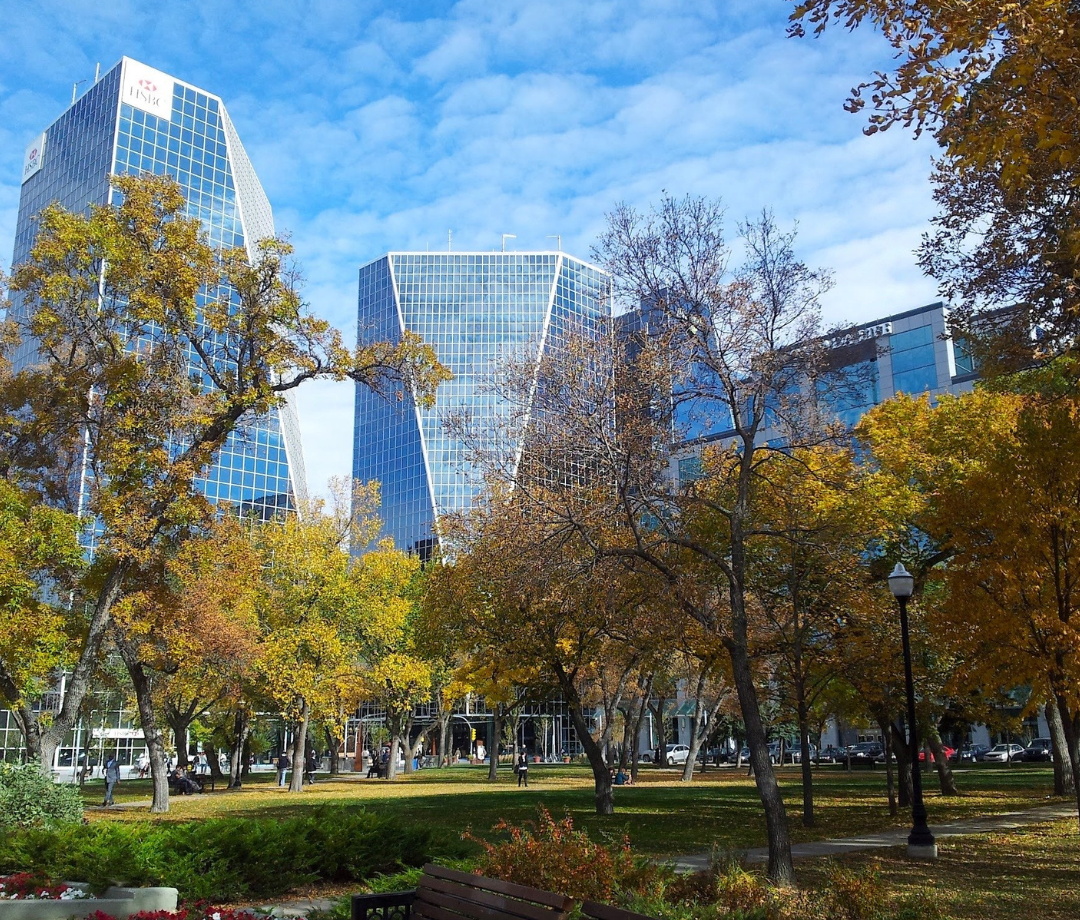
Fall in Regina sees a quick fall in temperature, similar to spring’s increase. September sees highs averaging around 20 C (68 F) and lows around 5 C (41 F). These temperatures drop to around 10 C (58 F) and freezing in October, and freezing and -10 C (14 F) in November. Like spring, there will be about 5-10 days of precipitation per month. However, unlike spring, leaves change colour.
What Is Winter Like In Regina?
Winter in Regina is quite cold, with December, January, and February all having highs that average around -10 C (14 F), and lows around -20 C (-4 F). Each will also average only about 5 days of precipitation per month, almost all of it in the form of snow.
Is Regina For Me?
Possibly. If you don’t mind a level of cold that comes close to the level of the territories, but with warmer summers, and you much prefer sunny days to lots of precipitation, Regina does have a certain appeal.