What Is A Hurricane?
A hurricane is the largest type of storm on Earth that we know of. They are known for having powerful winds, massive amounts of rain, and also acting as a massive thunderstorm. It is one of the most feared types of storm on Earth. Being known as either a Typhoon or Cyclone in other areas of the world, just one of these massive storms can do over $100 billion in damage and kill hundreds of people, even with all of our advanced technology allowing us to predict them.
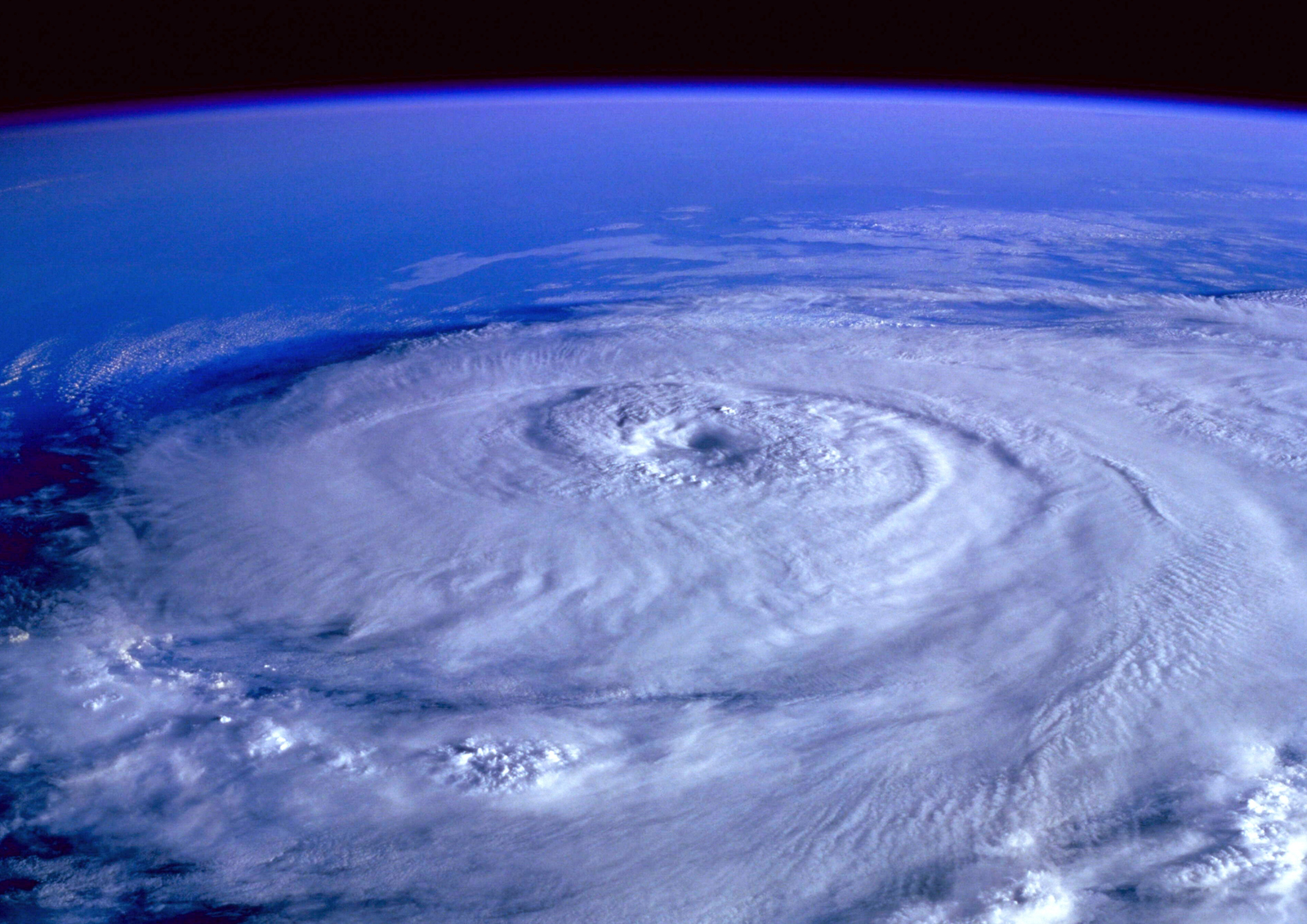
A hurricane is large and powerful enough to be seen from space, being almost 500 km wide on average, and reaching a few kilometres into the air. Due to the vast amount of clouds, they appear white, and the quick spinning winds give them a distinctive swirl shape, familiar to a spiral galaxy. Despite appearing peaceful from space, these storms are absolute menaces, as the numbers in the previous paragraph describe.
They mostly form over the ocean, with the Atlantic and Pacific Oceans being the most common areas, but the Indian Ocean is also a relatively common place for them to form. Hurricanes also can not cross the equator and will turn clockwise in the Southern Hemisphere and counterclockwise in the Northern Hemisphere.
When Do Hurricanes Form?
In the Atlantic, hurricane season, which includes the ones that could potentially hit Canada, includes all of June through November, peaking from August to October, with September being the month with the most. It is possible for hurricanes to form at any time of year, but it is rare for them to happen outside of the June – November window.
How Common Are Hurricanes?
Atlantic hurricane season will generally feature about 20 storms powerful enough to be named, with 10 of them strong enough to reach hurricane status, with at least 3 or 4 large enough to be graded as a major hurricane, which is the name given to a category 3 or higher hurricane according to the Saffir-Simpson Scale.
What Conditions Make Hurricanes Possible?
Generally, warm conditions are needed, which is the reason late spring, summer, and early fall are the most common times for hurricanes to form.
What Steps Usually Happen For A Hurricane To Form?
A hurricane has to form in warm water, usually above 27 C (81 F). Air above the seas also gets warm, rises, and the pressure drops. Air rushes to replace the area with low pressure, causing wind. Due to the Earth’s rotation, this wind rotates, causing the circular shape of the hurricane.