What Is The Climate Of Niagara Falls?
According to the Koppen Climate Classification, Niagara Falls has a Dfa climate type, which means a continental climate with no dry season and a hot summer. This type of climate is the most common type in Southern Ontario.
The (D) refers to a continental climate. This type of climate refers to having at least one month with an average temperature of above 10 C (50 F), and at least one month with an average temperature below freezing. The other types of climate are tropical (A), dry (B), temperate (C), and Polar (E). Tropical means that every month has an average temperature over 18 C (64 F). Dry fails to reach a certain threshold when it comes to precipitation. A temperate climate also means that at least one month has an average temperature above 10 C (50 F). However, no month has an average temperature above freezing, while still being too cold to count as tropical. Polar means that every month has an average temperature above 10 C (50 F). Continental climates like the one found in Niagara Falls, also tend to have four distinct seasons, leaves that change colour in the fall and more severe storms, including thunderstorms. It is also part of Canada’s Tornado Alley.
The (f) refers to having no dry season. This means that there is no significant difference in the amount of precipitation between summer (April – September) and winter (October – March). If there was a significant difference, Niagara Falls would have been listed as a dry summer (s) or dry winter (w).
The (a) refers to the fact that there is at least one month with an average temperature of at least 22 C (72 F).Each of warm summer (b), cold summer (c) and very cold winter (d).
What Is Everyday Weather Like In Niagara Falls?
Similar to nearby cities Hamilton and Toronto, both of which also have a Dfa climate, Niagara Falls has hot summers, at least by the standards of the rest of the country, but has pretty cold winters, with an above-average, but still not crazily high amount of precipitation.
What Is Spring Like In Niagara Falls?
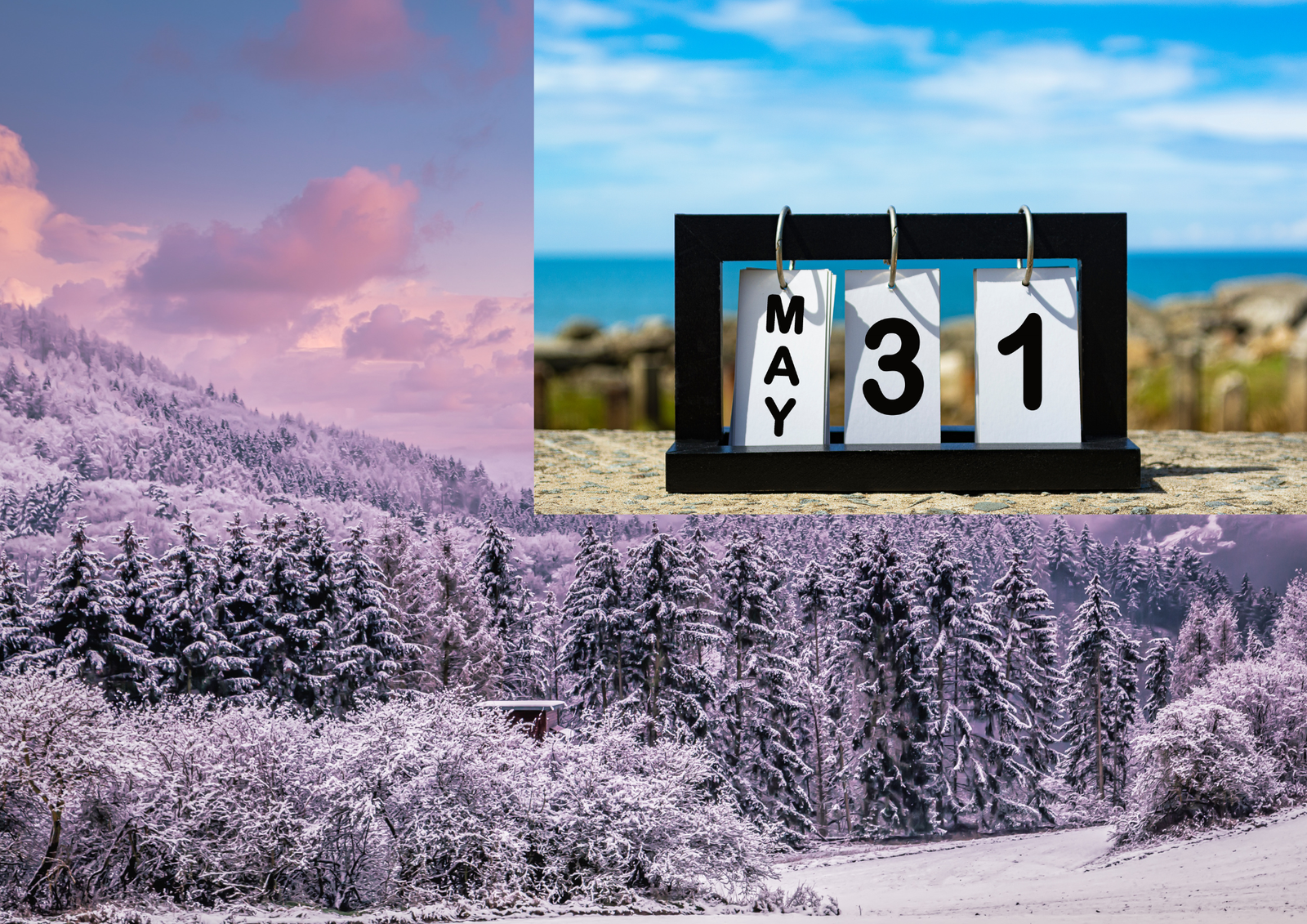
Spring in Niagara Falls is typical of most places in Southern Ontario, in that it starts with some snow still on the ground, but things warm up fast. Lows in March start around -5 C (23 F), with highs around 5 C (41 F). However, these numbers go to around 15 C (59 F) and freezing in April, and 20 C (68 F) and 10 C (50 F) in May. Although all months generally contain more rain than snow, the ratio does change as you would expect with the warming weather, as May will feature almost no snow, if any at all, most years. 10-15 days of precipitation can be expected per month.
What Is Summer Like In Niagara Falls?
Summer is pretty consistent in Niagara Falls, with June, July and August all having highs of around 25 C (77 F) and lows around 15 C (59 F) each month, again with 10-15 days of precipitation per month.
What Is Fall Like In Niagara Falls?
Fall in Niagara Falls can be beautiful, with leaves changing colour. Highs in September will generally be just below 25 C (77 F), with lows just above 10 C (50 F). However, these numbers drop quickly, as by October they reach about 15 C (59 F) and 5 C (41 F), and 10 C and freezing in November. Once again, 10-15 days of precipitation per month is once again to be expected.
What Is Winter Like In Niagara Falls?
Like most of the country, winter in Niagara Falls will have some snow. Highs in November will generally struggle to hit 5 C (41 F), with lows just above -5 C (23 F). January and February will generally be even colder, with highs at around freezing, and lows around -10 C (14 F). Due to some days hitting above freezing, and just like every other season, they have 10-15 days of precipitation each month, except the difference here is that most of it will be snow, with some rain mixed in on the warmer days.
Is Niagara Falls For Me?
There are a lot of reasons to like Niagara Falls. If you want a little bit of everything, but nothing super extreme, Niagara Falls could be a great place for you.