What Is The Climate Like In Moncton?
According to the Köppen Climate Classification, Moncton has a Dfb climate. This is a continental climate with a warm summer and no dry season.
A continental climate (D) is one of the five main climate categories created by Wladimir Köppen. The other four are Tropical (A), Dry (B), Temperate (C), and Polar (E). Each of these represents a large range, mostly based on temperature. Dry is the only one that is based on the level of precipitation, and as you can likely surmise, it is the title given to an area where annual precipitation does not reach a certain threshold.
A place with a tropical climate is one where, in an average year, no month has an average temperature below 18 C (64 F). A polar climate is the opposite in many ways, as in an average year, no month in a polar region has an average temperature above 10 C (50 F).
The two that have the most in common with each other are temperate and continental. These two both have at least one month with an average temperature below 18 C (64 F) and at least one month with an average temperature above 10 C (50 F). Both are also prone to extreme storms, including thunderstorms and even tornadoes, with both America’s and Canada’s Tornado Alley having these types of climates. The difference between the two is that a continental climate has at least one month where the average temperature is below freezing, while a temperate one doesn’t.
The (f) refers to there not being a dry season. If summer (April – September) or winter (October – March) had significantly less precipitation than the other, it would have been given a dry summer (s) or dry winter (w), respectively.
The (b) refers to it having a warm summer, meaning at least 4 months have an average temperature above 10 C (50 F), but no month averages over 22 C (72 F). Hot summer (a), cool summer (c) and very cold winter (d) are the other possibilities.
What Is Everyday Weather Like In Moncton?
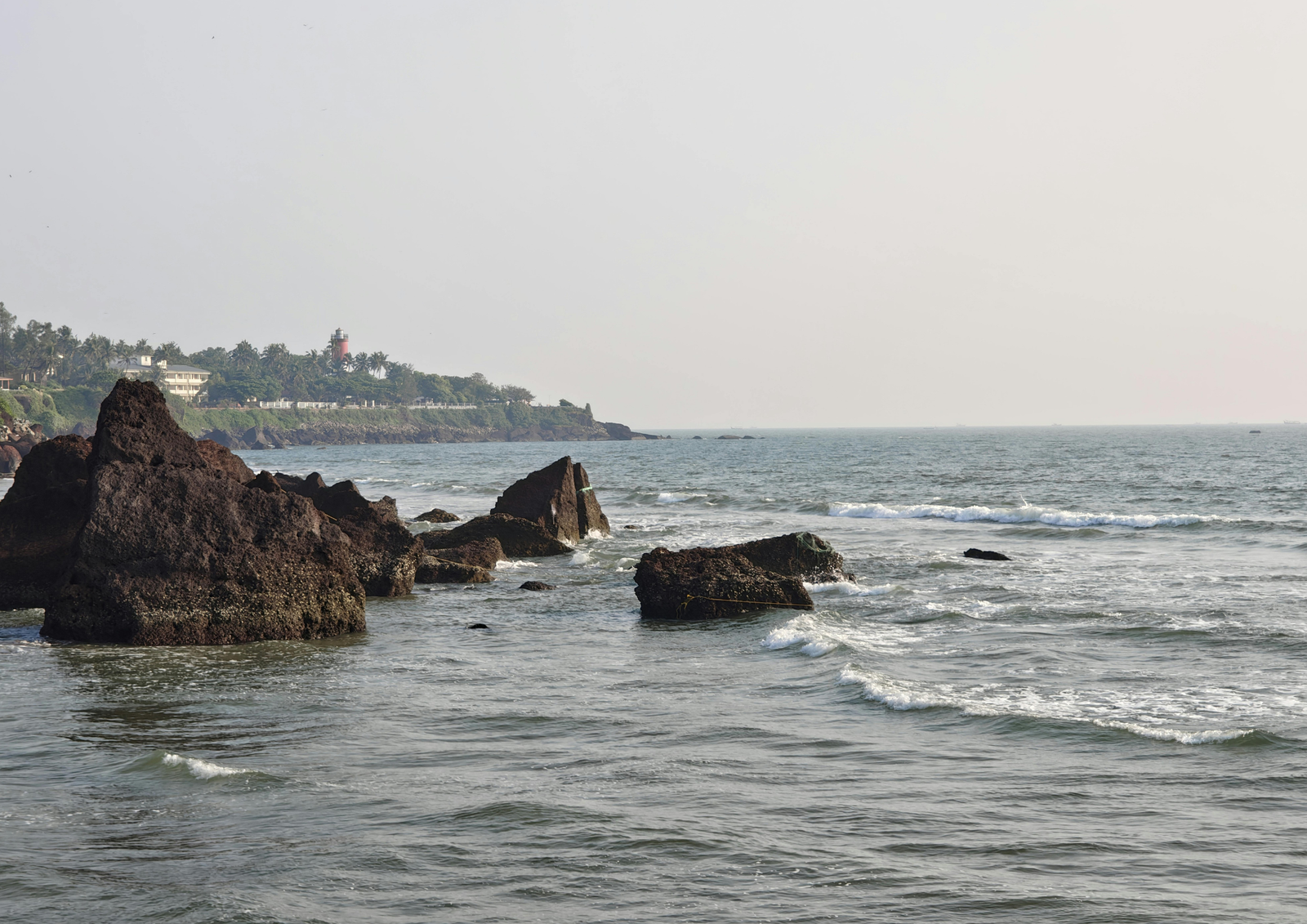
Moncton is a relatively moderate city, in that although summer gets pretty warm and winters are cold, it doesn’t have the same extremes. It also has an above-average amount of precipitation. All of this is typical of cities that are on or close to a coast.
What Is Spring Like In Moncton?
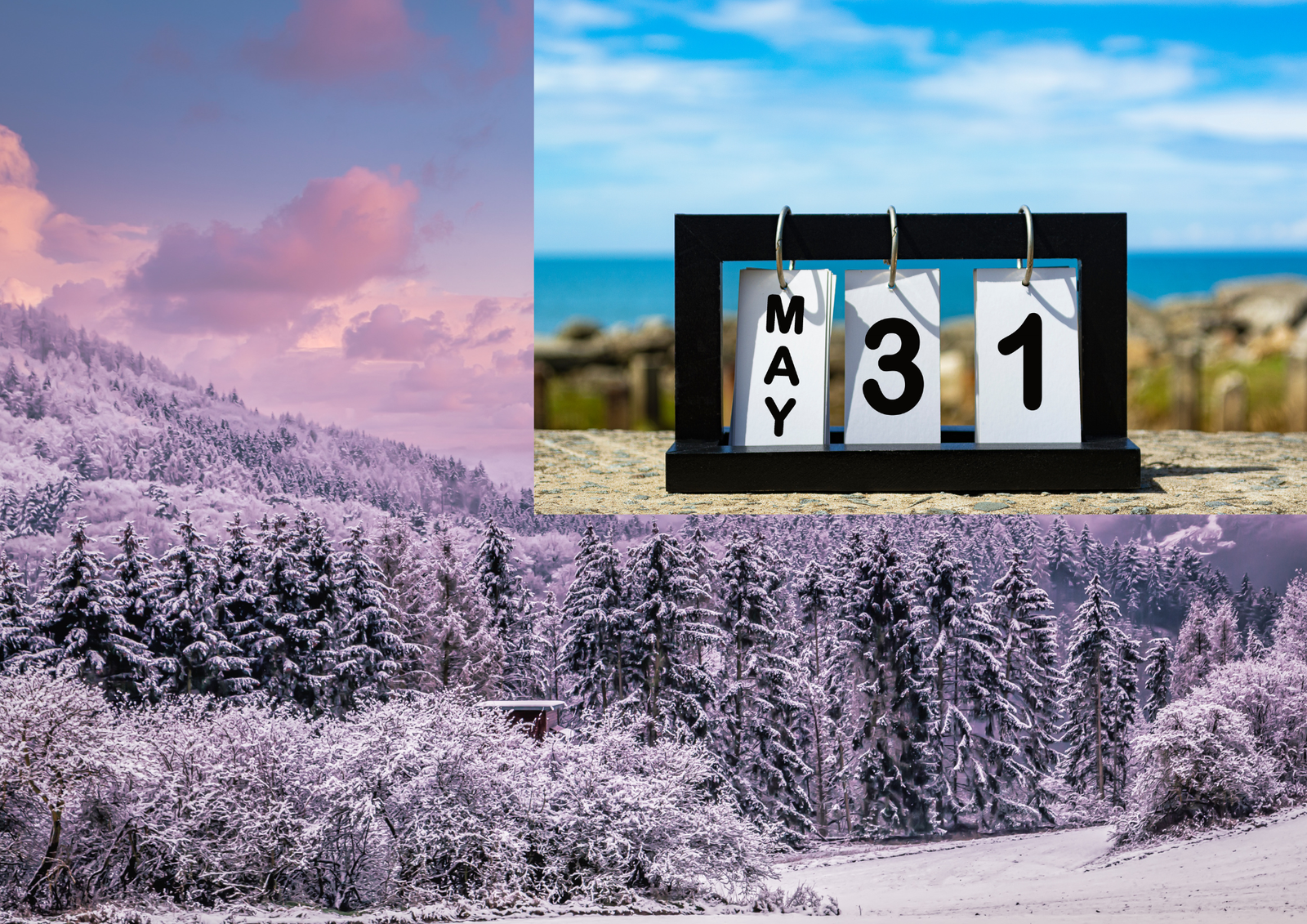
Spring in Moncton starts cool, but warms up quickly. Highs in March average out to being just a touch over freezing, with lows usually approaching the negative double digits. By April, highs are closer to 10 C (50 F), and lows are closer to freezing. By May, highs are around 15 C (59 F), with lows now closer to 5 C (41 F). There will be about 10 days of precipitation per month on average.
What Is Summer Like In Moncton?
Summer in Moncton remains pretty consistent, with June, July and August all having highs around 25 C (77 F) with lows around 10 C (50 F) to 15 C (59 F), and 10 or more days of precipitation per month.
What Is Fall Like In Moncton?
Fall starts off very summer-like, predictably, with highs averaging around 20 C (68 F) and lows around 10 C (50 F). By October, these numbers will be lower by 5 C (9 F), with them hitting an average of around 5 C (41 F) and freezing in November. September and October are when most of the leaves change colours. Usually just less than 10 days of precipitation per month.
What Is Winter Like In Moncton?
Winter is pretty cold, as most of the season is spent in sub-zero temperatures; it doesn’t get too cold. Highs will generally be around freezing, with lows near -10 C (14 F), with 5-10 days of precipitation per month.
Is Moncton For Me?
It could be. If you like moderate temperatures and don’t mind a bunch of precipitation, Moncton really fits that.