Why Was 1816 The Year Without A Summer?
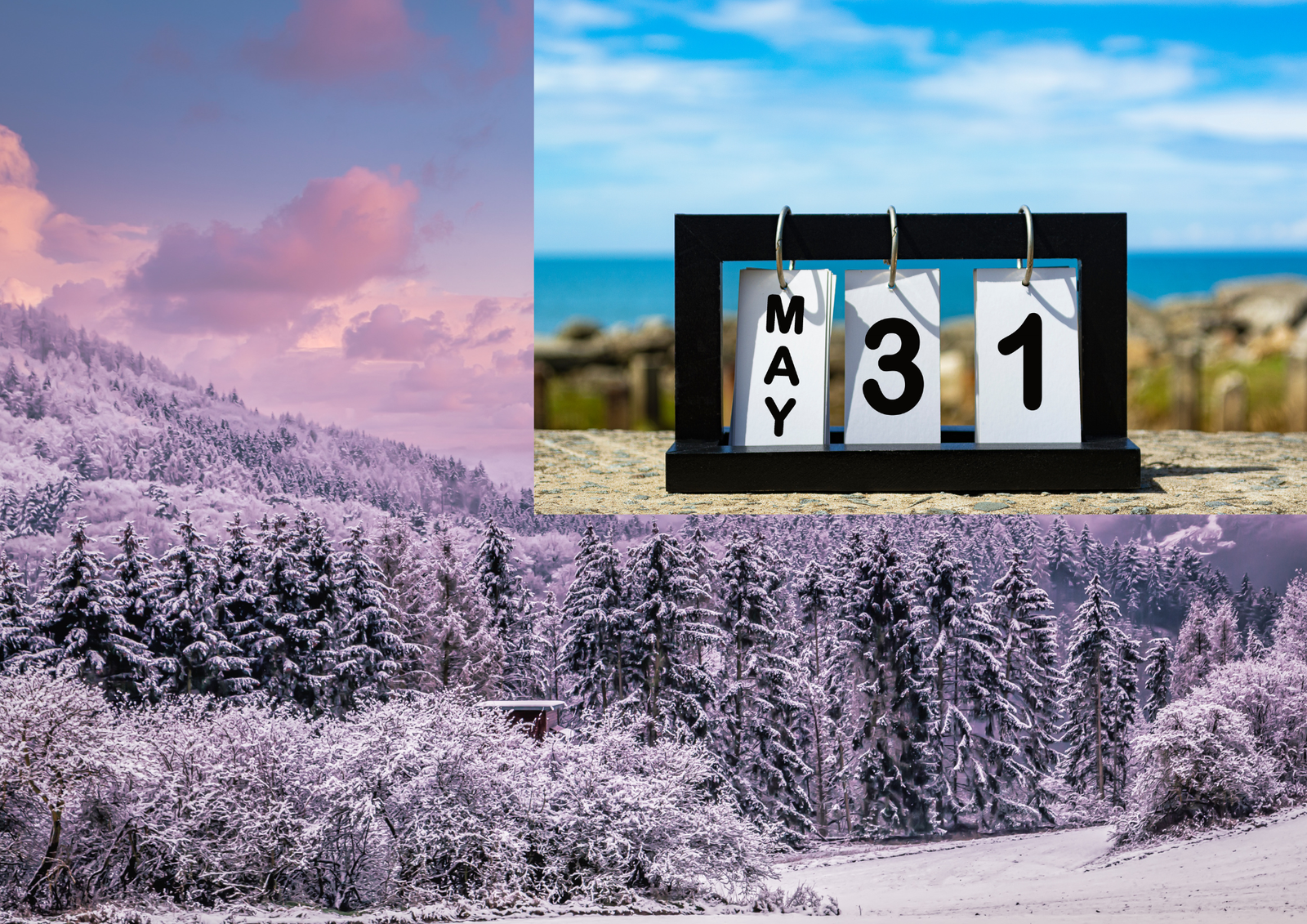
In 1816, temperatures across the world dropped sharply, especially in mainland Europe and North America, with frost and snow being common sights in May and June. This caused large amounts of famine throughout the world, as crops failed due to the cold temperatures in what are normally crop-heavy regions. New England (Connecticut, Maine, Massachusetts, New Hampshire, Rhode Island and Vermont) was heavily impacted, as were New York, most of western Europe including the UK, France and Germany, as well as other places like China, India and Indonesia. The combined effects of starvation, disease, violence, and the cold weather are estimated to have killed over 100,000 people, with some estimates being closer to 200,000. Given that the world population at the time was 1 billion, this was a surprisingly high number of deaths
What Caused The Disruption?
The disruption was caused by a massive volcanic eruption the previous year. In April 1815, a volcano named Mount Tambora erupted in Indonesia. The blast itself is estimated to have caused 10,000 people on nearby islands to perish.
This eruption is the most powerful one in known human history. It was rated as a 7 on the Volcanic Explosivity Index (VEI), which is measured from 0-8 and measures volcanic eruptions, similar to how the Saffir-Simpson Scale measures hurricanes, and the Enhanced Fujita Scale measures Tornadoes. In this scale, the requirements to increase the scale by 1 mean the volcanic eruption was 10 times as strong. For example, the minimum amount of ejecta needed for an eruption to reach a score of 3 is 10 times as much as an eruption that scores a 2. To give you a perspective, two of the most well-known eruptions in history, the Mount St. Helens eruption in 1980 and Mount Vesuvius destroying the ancient Roman city of Pompeii, each are rated a 5, meaning that they are each only 1% as powerful as the Tambora eruption.
What Happened In The Year Without A Summer?
The year without a summer was devastating, leading many to starve or die in other ways. The combination of crop failures and other impacts of an unusually cold summer led to riots, starvation of many people, disease, and more, killing many others. Many people report being stuck inside. As mentioned, there was a large death toll, with estimates ranging between 100,000 and 200,000 as being traceable to the eruption and its impact.
Possibly the greatest opportunist of the time was author Mary Shelly, who used her time inside to write her best-known book, Frankenstein.
Have There Been Similar Incidents In The Past?
Yes, there have been many similar eruptions to Tambora. A similar eruption occurred a few decades later, in 1883, when Mount Krakatoa, also in Indonesia, erupted. This eruption created the loudest sound in human history. Other eruptions also briefly impacted global temperatures, though not to the same extent. These included the Mount Pinatubo eruption in 1991 in the Philippines and the 1912 Novarupta volcano in Alaska. Each of these has been given a VEI rating of 6.
Another eruption in the opposite direction was that of Mount Toba, which happened an estimated 75,000 years ago. Mount Toba was the most recent eruption that was rated VEI 8, and is speculated to have been responsible for causing a bottleneck in the human gene pool due to how few people were still around soon after. It is speculated by scientists that this eruption, being 10 times worse than Tambora, caused a decade without a summer, leading to mass starvation.
What Might Happen If A Similar Eruption Happened Today?
In some ways, we would be better off than in 1816. We can better store food, meaning that a smaller percentage of people in the world would likely die, as we would have better food supplies. Other advances that help keep our homes warm would also very much help. However, global trade would be absolutely destroyed due to the large amounts of soot in the air.