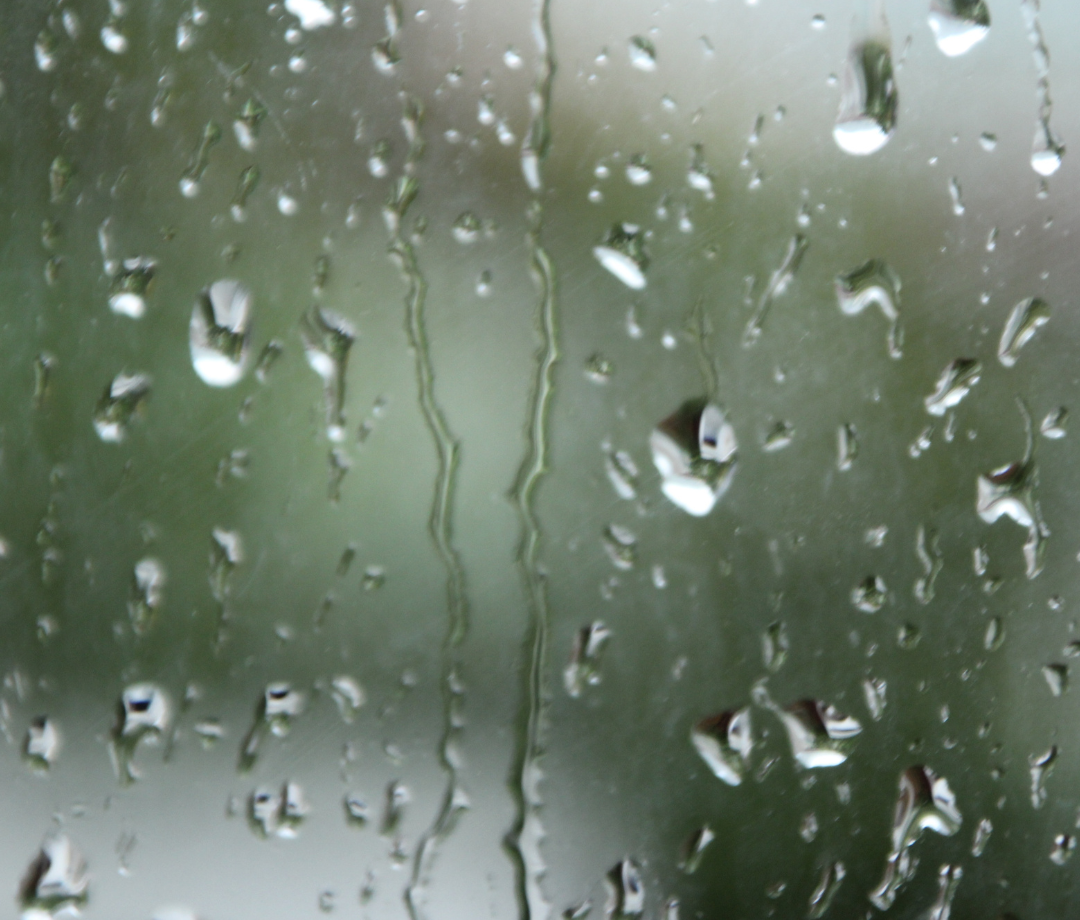
Acid Rain: Rain (or any precipitation) that has higher acidity (lower pH) than normal rain. Generally, rain’s pH is near 7, and acid rain has a pH level of 5.6 or lower. Acid rain can be very damaging to plants and man-made structures.
Atmospheric Pressure: The force that the air around a certain area uses to “push” on the area around it. High pressure pushes humid air down, which usually leads to clearer skies. Low pressure often pushes such air further up, leading to the creation of clouds and even thunderstorms.
Atmospheric River: A long, thin area of sky that contains plenty of water vapour, often seen as a “river in the sky”.
Blizzard: A storm in cold weather conditions that contains high winds and plenty of snow. Visibility is usually very low, and they can be very dangerous.
Cloud Cover: The amount of the sky in an area that is dominated by clouds, expressed as a percentage.
Continental Climate: One of the five types of climates in the Koppen Climate Classification. Has at least one month where the average temperature is above 10 °C (50 F), and at least one month where the average temperature is below 0 C (32 F). They often experience extreme weather changes, both in the form of four distinct seasons and storms such as thunderstorms and even tornadoes. A continental climate is the most common type of climate in Canada.
Cyclone: The same as a hurricane, except occurring in the Indian Ocean, near Australia, or near South America.
Drought: A prolonged period without rain. What counts as a drought changes from location to location.
Dry Climate: One of the five types of climates in the Koppen Climate Classification. A dry climate is defined as having very little precipitation. Although hot deserts are the most common and what most people think of, cold deserts do exist. Desert climates are rare in Canada. Deserts generally are found close to the equator and in Australia, with the occasional cold desert at places further from the equator.
El Nino: A worldwide weather system that disrupts global temperatures and precipitation. Generally caused by warming in the western Pacific Ocean.
Enhanced Fujita Scale: The current most common system used for measuring the damage inflicted by a tornado, divided into 6 categories from EF0-EF5. Wind speed and damage dealt afterwards combine to create the rating, with higher ratings being rarer than lower ones.
Extreme Heat Event: A time when there are two days in a row, nights included, where the heat in a certain area reaches unusually high temperatures. These temperatures are generally around a high of 30 C (86 F) during the day and 15 C (59 F) and 20 C (68 F) during the nighttime.
Eye Of A Hurricane: The centre of a hurricane, which is usually very low pressure and very calm. Being in the eye can create a false sense of calm, tricking people into thinking that the storm is over.
Fog: A large number of low-hanging water droplets within an area that are close enough to each other to reduce visibility within said area. It can be compared to having a cloud at or near ground level.
Frostbite: A condition where one’s body tissues are damaged due to contact with a cold environment. The more damage done, the more difficult it can be to reverse.
Fujita Scale: A scale used to measure tornado power, created by Ted Fujita. Measured from F0-F5, with higher ratings being less common than lower ones. Wind speed is the primary factor. The scale, although considered outdated by many meteorologists, is still used in everyday conversation.
Haboob: A storm that has both heavy potential for sand damage, as well as the threat of thunder.
Heat Wave: A prolonged period of intense heat in a specific area.
Humidity: A measure of water vapour in the air, often expressed as a percentage. 100% would mean that the amount of water vapour in the air is at the maximum at the current temperature. Due to minimising the impact and evaporation of sweat, high humidity can make it feel hotter.
Hurricane: An extremely large, rotating storm that can be hundreds of kilometres wide, that has winds of at least 119 km/h (73 mph). They are often formed over the ocean and contain thunderstorms and a storm surge. Also called a Typhoon or Cyclone in different areas. They are called hurricanes when in the Northern Atlantic and Western Pacific Oceans.
Hurricane Warning: A public alert that a hurricane is imminent or currently occurring within a specified area. Usually preceded by a hurricane watch.
Hurricane Watch: A public alert that a hurricane is possible within a specified area, usually within the next 48 hours. If the possibility becomes a certainty, it is upgraded to a hurricane warning.
Hypothermia: A medical condition where body temperature is at 35 °C (95°F) or below. Usually occurs when exposed to cold conditions, usually outside, but in a pool, or using wet clothing is also common. Symptoms often include shivering, pale skin, lowered heart rate and chattering teeth. One currently experiencing hypothermia should get to a warmer location.
Koppen Climate Classification: A designated way to measure weather, grading it into five categories: tropical, dry, temperate, continental and polar. Each of these also contains 1-2 subcategories, giving each unique type of climate a 2-3 letter-long climate classification.
La Nina: A weather phenomenon created by cooler-than-usual temperatures in the western Pacific Ocean. Often causes weather all over the world to be fundamentally different from the usual, usually in terms of temperatures, jet streams, and precipitation.
Lightning: Electricity that discharges from one point to another within the atmosphere. Although most lightning goes from cloud to cloud (known as sheet lightning), some lightning goes from cloud to ground.
Polar Climate: One of the five types of climates in the Koppen Climate Classification. A polar climate is one where no month in an average year reaches above 10 °C (50°F).
Saffir-Simpson Scale: A scale that measures the strength of hurricanes, created by civil engineer Herbert Saffir and meteorologist Robert Simpson in the 1970s. It measures strength in seven categories, from tropical depression to category 5. Also used to measure cyclone and typhoon strength.
Severe Thunderstorm: A thunderstorm that has 2.5 centimetre (1 inch) long hail and/or 93 km/h (58 mph) winds.
Severe Thunderstorm Warning: An alert issued when a severe thunderstorm is currently occurring in a specific area. Usually preceded by a severe thunderstorm watch.
Severe Thunderstorm Watch: An alert issued when a severe thunderstorm is likely to occur in a specific area within the next few hours. If the storm does hit, the alert will be upgraded to a warning.
Smog: A form of air pollution that appears similar to fog, but is darker. Comes from combining the words “smoke” and “fog”.
Storm Surge: A temporary rise in sea level onto land. Often caused by a hurricane, cyclone or typhoon.
Temperate Climate: One of the five types of climates in the Koppen Climate Classification. Has at least one month where the average temperature is above 10 °C (50 F), and no month where the average temperature is below 0 °C (32 F). They often experience extreme weather changes, both in the form of four distinct seasons and storms such as thunderstorms and even tornadoes.
Thunder: The sound made by lightning. Counting the time between thunder and lightning can let you know how close the storm is. The closer the sound to the visual, the closer the storm.
Thunderstorm: A storm that contains thunder and lightning. A powerful enough one is known as a severe thunderstorm.
Thunderstorm Warning: An alert is issued when a thunderstorm is currently occurring in a specific area. Usually preceded by a severe thunderstorm watch.
Thunderstorm Watch: An alert issued when a thunderstorm is likely to occur in a specific area within the next few hours. If the storm does hit, the alert will be upgraded to a warning.
Tornado: A violent spinning wind that can range from a few metres to a few kilometres wide, and capable of massive damage. Scales such as the Fujita scale and the Enhanced Fujita scale can be used to measure tornado strength and destructive power.
Tornado Alley: An area with massive tornado activity. Although usually it refers to the great plains of the United States, it can also refer to the Canadian Tornado Ally.
Tornado Warning: An alert that states that a tornado has been spotted in a specific area. Usually preceded by a tornado watch.
Tornado Watch: An alert that states that a tornado is likely to spawn within the next few hours in a specific area. If one or more tornadoes spawn, the alert is upgraded to a tornado warning.
Tropical Climate: One of the five types of climates in the Koppen Climate Classification. This is the warmest climate, where every month in an average year averages 18 °C (64 °F).
Tropical Depression: A storm that could develop into a hurricane, cyclone or typhoon, or possibly just a tropical storm. Has a windspeed of 62 km/h (38 mph).
Tropical Storm: The middle point between a tropical depression and a hurricane, cyclone or typhoon. Has winds from 63-118 km/h (39-73 mph). It could develop into a hurricane if it becomes more powerful.
Typhoon: The same as a hurricane, except occurring in the northwestern Pacific Ocean.
Waterspout: A tornado that occurs over water.