Why Are Snow And Ice Dangerous?
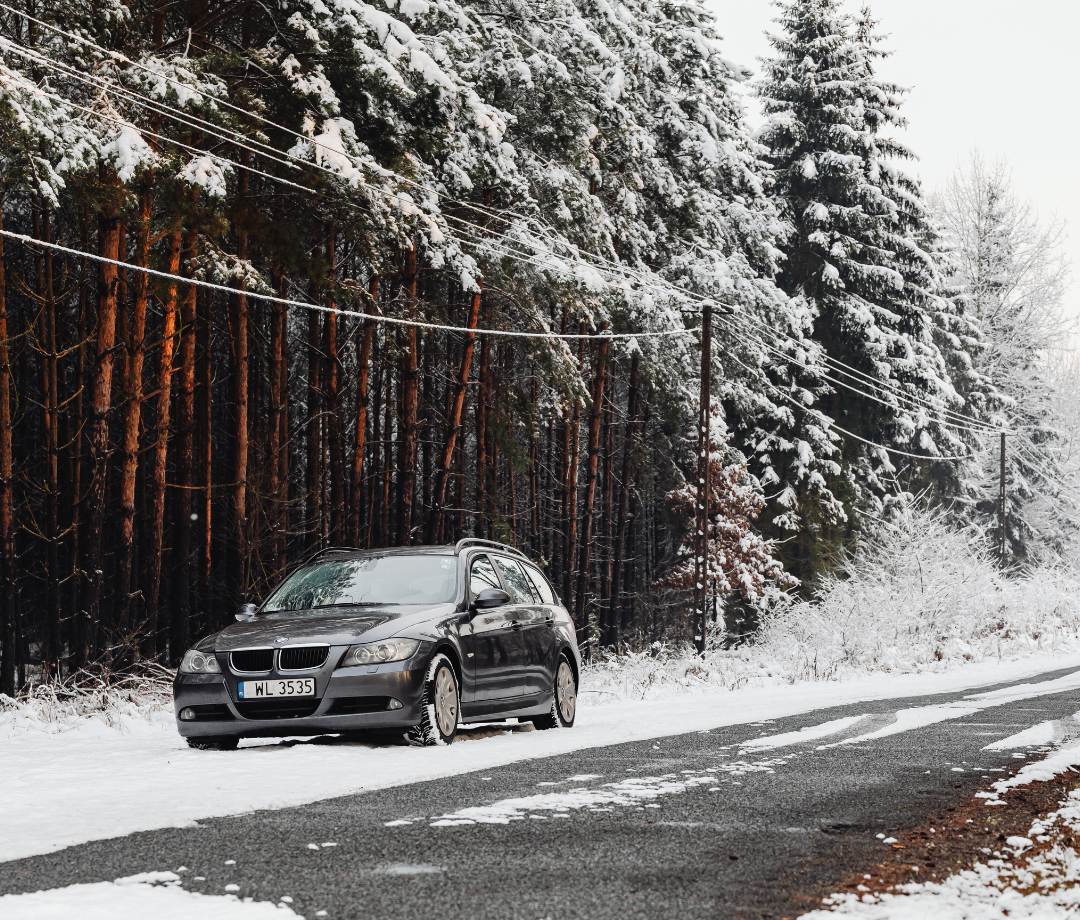
Snow, and even worse, ice, create some of the most dangerous driving conditions possible because of how slippery they are, making things like turning and braking very dangerous. In fact, November and December have an almost 50% increase in collisions due to all the ice and snow present. One of the most dangerous driving conditions on the road is black ice, which is transparent ice that is difficult to see and can cause slipping since it’s so unexpected.
When Should I Use Winter Tires?
Switching to winter tires is likely the first step you can take to drive more safely. Winter tires have slightly softer rubber and have more ‘cuts’ on their treads. These two differences help them grip snow and ice much better, leading to less sliding when you brake. However, it is essential to install your winter tires as soon as possible. Your cue to start using winter tires is when the temperature starts to dip below 7 °C (45°F) for seven days (known as the 7-7 rule). This means that you will have your winter tires on before the snow starts to fall, which will make driving in the first few snowfalls much easier.
While winter tires don’t stop sliding and skids completely, they can lower them by 30%, making them a nearly mandatory part of winter driving.
Have An Emergency Supply Kit
No matter how many precautions you take, there will be a risk of getting stuck in the snow. If you do, there are a handful of things that should be part of an emergency kit. This includes the following:
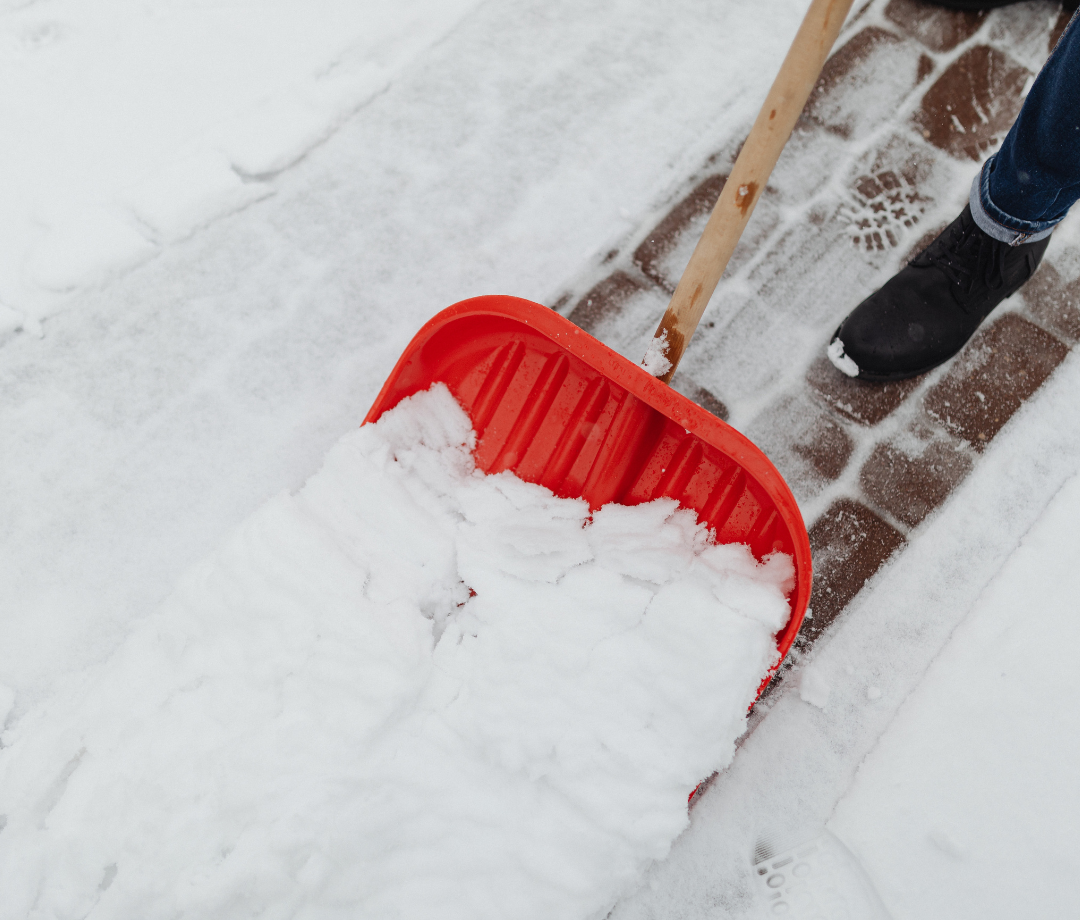
- A shovel or shovels to help you get yourself unstuck.
- Blankets and thick clothing to keep you and your family warm if you get stuck for a while.
- Non-perishable goods so that you can eat if you get stuck for a long time.
- A phone and charger so that you can contact someone if you get stuck.
- A spare tire in case one gets deflated.
- A flashlight in case you need to see in the dark.
- A first aid kit to deal with any injuries.
Please note that this is just the beginning of the list of things that you could use if your car gets stuck. There are likely several more items that can become useful in a pinch.
Keep The Battery Charged
When the temperature goes below freezing, car batteries can lose up to 60% of their power. However, keeping the battery charged and even storing it inside, like in a garage, can be a big help in keeping your battery in top condition.
Learn How To Deal With Skids
Slides and skids are one of the scariest things about driving in the winter. Braking, or taking a turn, can lead to a skid, which can be hard to get out of, and can cause a gut reaction of panicking, which can make the situation even worse. Sometimes, even going straight can cause a skid if you’re on ice. Although things like winter tires can minimize the chances of it, it’s always possible that a skid could happen. For that reason, it is good to know what to do when you begin to skid.
The first step is to ease off the gas. Pressing the brakes can backfire, so the only other way to slow down is to stop pressing the gas, which will lead to a gradual slowdown. Then steer in the direction that the rear of the car is going. For example, if the back of the car is sliding to the left, turn to the left. If you turn too much, you might need to steer back in the other direction. For example, in the previous example, if you turn too far left, if you go too far left, it’s best to turn back to the right. Once you’re going straight, step back on the gas and go forward.
Drive Slowly
Something that can prevent skids, and also ensure that you can brake if needed, is to drive much more slowly. This might be really inconvenient, but it’s usually needed. While this does mean that you need to leave early, and also might have to deal with being late, going too fast might mean you wouldn’t make it there at all.
Look Ahead
When you’re dealing with the increased braking distance involved with driving on ice, looking ahead can let you know if something is coming up that could be a problem. Usually, a j-walker, slower vehicle, traffic light or sudden turn can be handled with a slam on the brakes, and although this isn’t recommended even in warm weather, it’s possible (but still don’t depend on it too much). However, in snow and ice, these drastically increase the odds of you not being able to stop in time. However, when you look ahead, you get a lot more leeway, which has a huge chance of saving you. It also helps you with the upcoming tip.
Brake Gently In Advance
If you notice trouble, or potential trouble ahead, it’s a good idea to begin to brake in advance. Tapping the brakes gently, or if you have enough warning, simply taking your foot off the gas, well in advance. This means you don’t need to slam on the brakes, which allows you to come closer to easing to a stop, and avoiding a stop that takes too long.
Avoid Sharp Turns
Turning has a lot of the same impact as braking in a lot of circumstances. It can cause skids and slides, which you can prepare yourself for with the steps outlined above. However, in addition to the above steps, it’s best to avoid using sharp turns and instead use wider turns, usually moving slowly as well.