What Is The Enhanced Fujita Scale?
The Enhanced Fujita Scale is a scale used to measure the intensity and damage of a tornado. It replaced the old Fujita Scale, which originally measured a tornado’s potential damage based on its wind speed, and was created by Ted Fujita. Both scales are designed to measure the strength of a tornado: the old scale measures only wind speed, while the enhanced one measures damage, using structures and vegetation as indicators.
Both scales go from 0-5, with the newer scale using EF0 – EF5, with EF0 being the least damaging, and EF5 being the most damaging. The Enhanced Fujita Scale also added in a seventh category, EFU, standing for an unknown amount of damage, which is now used when there are no possible indicators of damage. An example of this would be if a tornado touches down in an empty field with no structures, vegetation, or anything else is to damage, and thus no way to determine damage done.
When Did The Enhanced Fujita Scale Begin Usage?
The scale officially began use in the United States in 2007, with Canada making the switch 6 years later. However, the scale was developed between 2000 and 2004, and used in small doses from 2004 until its official adoption in 2007. The scale was developed by meteorologists and engineers, who took the next steps in the research originally started by Ted Fujita.
Who Uses The Enhanced Fujita Scale?
The Enhanced Fujita Scale is the official scale used in both Canada and America, with France, Brazil and Japan also using it, although it is not the official scale used in those countries.
What Are The Measurements On The Enhanced Fujita Scale?
The Enhanced Fujita scale has 7 different rankings to measure the damage done by tornadoes. The main 6 are EF0 through EF5, which show the ability to rank raw power, with EF0 being the least damaging, and EF5 being the most damaging. The seventh is EFU, which is given when there is no way to determine the power of a twister based on damage.
EF0 tornadoes make up just over half of all twisters, with estimated winds of 105 km/h – 137 km/h (65mph – 85 mph). Trees might have broken branches, with smaller ones uprooted, and some signs might be damaged, but there will unlikely be any damage to well-built structures.
Just over 30% of tornadoes are EF1. They have estimated wind speeds of 138 km/h – 177 km/h (86mph – 100 mph). Mobile homes can be heavily damaged, with well-built structures starting to receive some noticeable damage. Larger trees can be uprooted, and cars can be lifted up off the road.
EF2 tornadoes account for almost 10% of storms, with winds of 178 km/h – 217 km/h (111 mph – 135 mph). Mobile homes are often completely destroyed, with well-built homes suffering more moderate amounts of damage, with large amounts of trees being uprooted, and cars being thrown a small distance. Smaller objects like signs can now be lifted as debris up and thrown a larger distance, creating danger for those outside of the tornado’s path.
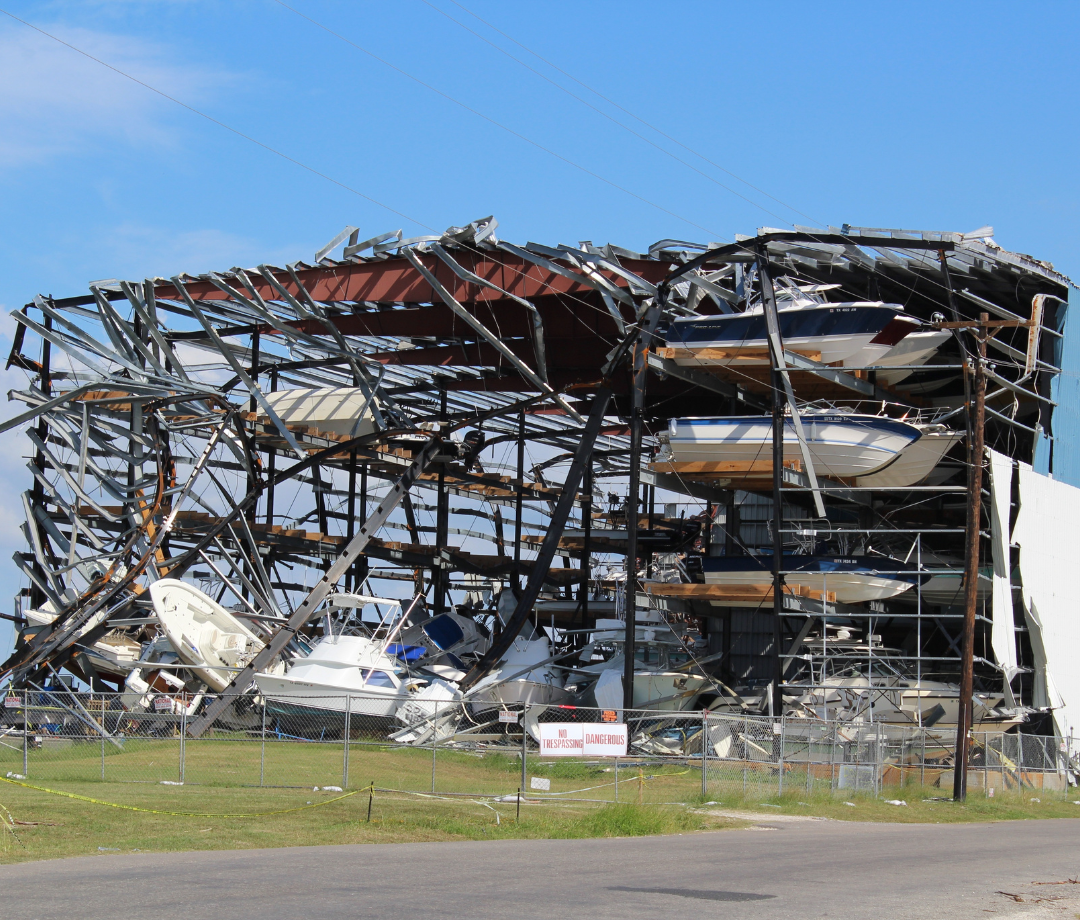
EF3 tornadoes are less than 3% of these storms, with winds from 218km/h to 266 km/h (136 mph to 165 mph). Trees are almost guaranteed to be completely uprooted, with any home not specifically built for harsh storms almost guaranteed to be completely destroyed. Trains can be lifted off the ground, with cars outright turned into missiles, launched into the air and far from the tornado.
EF4 tornadoes account for less than 1% of storms. Wind speeds reach 267 km/h – 322 km/h (166 mph – 200 mph). Trees are not just uprooted, they are likely completely debarked, with all vehicles, even airplanes and trains picked up and thrown large distances, and cars tossed, like a Hot Wheels car tossed by a toddler with a tantrum.
Less than 0.1% of tornadoes are ranked as the terrifying EF5. Wind speeds are 323 km/h (201 mph) or higher. Almost anything, from well-made homes to 18-wheelers to forests to entire larger structures such as schools, is not only destroyed but ripped apart so thoroughly as to be unrecognisable.
EFU tornadoes make up about 3% of tornadoes, and the ranking is given to storms that had no visible way of measuring the wind speed. For example, if a tornado that radar was unable to measure touched down and stayed in an empty field, it would be ranked as an EFU.
It should be noted, however, that observed damage is more important than wind speed. For example, the El Reno tornado, which had wind speeds measured at over 500 km/h, was rated as only an EF3, as no object well-built enough to merit an EF4 or EF5 rating was in the twister’s path, despite its immense size and long path.
How Useful Is The Enhanced Fujita Scale?
Although useful for everyday use, the Enhanced Fujita Scale has been criticised for not relying on wind speed as much, leading to issues such as the El Reno example above.