What Is The Climate Of Mississauga?
According to the Koppen Climate Classification, Mississauga has a Dfa climate. This makes it a continental climate, with a relatively balanced amount of precipitation throughout the year, and with a hot summer. This is the type of climate standard within the Southern Ontario area.
A continental climate (D) is one of five categorisations. In a continental climate, there is at least one month with an average temperature of above 10 C (50 F), and at least one month with a temperature below freezing. It also has enough precipitation to avoid being called a dry climate (B). The other categories of climate are tropical (A), temperate (C), and polar (E). Tropical means that every month has an average temperature of above 18 C (64 F), and polar means that every month has an average temperature of below 10 C (50 F). Temperate means that at least one month has a temperature above 10 C (50 F), at least one month has a temperature below 18 C (64 F), but what separates it from continental climates is that every month has an average temperature above freezing. Both continental and temperate climates have a lot of things in common beyond the more moderate temperatures: they are also more prone to extreme storms, such as thunderstorms and even tornadoes, with Mississauga even being part of Canada’s Tornado Alley. It’s also common for these types of climate to have cities where leaves change colour in the fall.
The (f) refers to neither the summer (April – September) nor the winter (October – March) containing disproportionately more precipitation than the other. The others are dry summer (s) and dry winter (w).
The (a) refers to having a hot summer, meaning at least one month has an average temperature of above 22 C (72 F). Warm summer (b), cool summer (c), and very cold winter (d) are other possibilities, each with different requirements.
What Is Everyday Weather Like In Mississauga?
As can be expected, Mississauga is much like its direct neighbour, Toronto. Winter has temperatures that average just below freezing, with springs that quickly warm up, and falls that cool down rapidly. The nearby Lake Ontario keeps things relatively wet and humid, and keeps temperatures on both ends from getting too extreme.
What Is Spring Like In Mississauga?
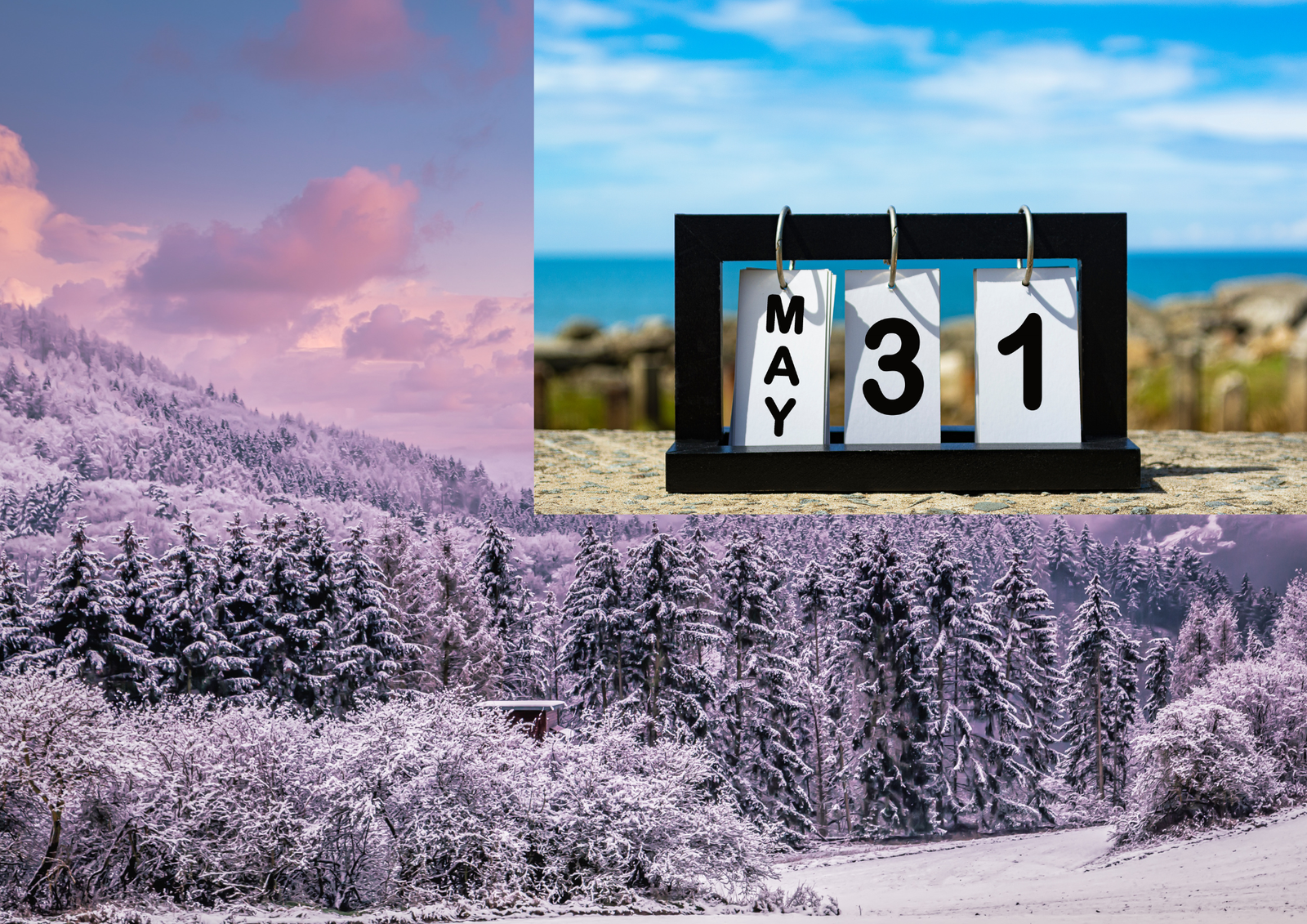
Spring in Mississauga starts cold, but warms up very quickly. March will average highs near 5 C (41 F) and lows of around -5 C (23 F). These numbers will increase to just over 10 C (50 F) and just under 5 C (41 F) in April, with May having highs of around 20 C (68 F), and lows around 10 C (50 F). Each month will have 10 – 15 days of precipitation, with both rain and snow prominent in March, rain being the clearly more prominent one in April, and in most years, the only form of precipitation in May.
What Is Summer Like In Mississauga?
Summer is much more consistent in its temperatures than spring is in Mississauga. June, July, and August all have highs that are around 25 C (77 F), and lows of about 15 C (59 F), with an average of 10-15 days of rain per month.
What Is Fall Like In Mississauga?
During the fall in Mississauga, temperatures drop relatively fast. In September, highs of around 20 C (68 F) and lows of around 15 C (59 F) are common, but these numbers will drop to about 15 C (59 F) and 5 C (41 F) in October, and 10 C (50 F) and freezing in November, respectively. Again, expect about 10 days of precipitation per month, with trace amounts of snow possible in November. Like most places with a continental climate, leaves do change colour in Mississauga, making some parts of the city nice to look at.
What Is Winter Like In Mississauga?
Winter in Mississauga is indeed interesting, as it is covered in snow, but it isn’t as cold as you might think. In December, January, and February, highs will generally average around freezing, with lows ranging from -5 C (23 F) to -10 C (14 F), with 5-10 days per month having precipitation. Most of it will be snow, but small amounts of it will be rain, as there are days when the temperatures sneak above freezing.
Is Mississauga For Me?
It depends. Mississauga reaches the extremes needed to be rated a Dfa climate, but in all cases, it is about as mild as you can get in each of those aspects. However, there are no real extremes as far as precipitation, which is relatively moderate. There is certainly an appeal for someone who wants a little bit of everything.