What Is Climate Like In Saskatoon?
According to the Koppen Climate Classification, Saskatoon has a Dfb climate. The (D) refers to the climate being continental, the (f) means no dry season, and the (b) refers to a warm summer. Other cities in Canada with this classification include Montreal, Ottawa, Edmonton, Winnipeg, Quebec City, Halifax, and St. John’s.
A continental climate (D) is one where there is at least one month with an average temperature above 10 C (50 F), and at least one month with a temperature below freezing, both with reaching a certain level of precipitation. Places with this climate also generally have distinct differences between spring, summer, fall and winter, with each of the four seasons being distinct. They are also generally also more susceptible to intense storms such as thunderstorms, and even tornadoes. Places with continental climates also tend to have leaves change colour in the fall.
Other types of climate are tropical (A), dry (B), temperate (C), and Polar (E). Tropical climates (A) have an average temperature of 18 C (64 F) every month of the year. Dry climates (B) fail to reach a certain level of precipitation. Polar climates (E) have an average temperature below 10 C (50 F) every month. Temperate climates (C) have similar requirements as continental ones, except each month has an average temperature above freezing, but there is at least one month with a temperature below 18 C (64 F).
The (f) of no dry season refers to the fact that neither summer nor winter is significantly more rainy than the other. It should be noted that in this instance, summer means April – September, and winter means October – March. The alternatives are dry summer (s) and dry winter (w), each referring to the month that has significantly less precipitation.
A warm summer (a) means that at least four months have an average temperature above 10 C (50 F), but no month has an average temperature above 22 C (72 F). The other possibilities that a continental climate has are hot summer (a), cold summer (c), and very cold winter (d).
What Is Everyday Weather Like In Saskatoon?
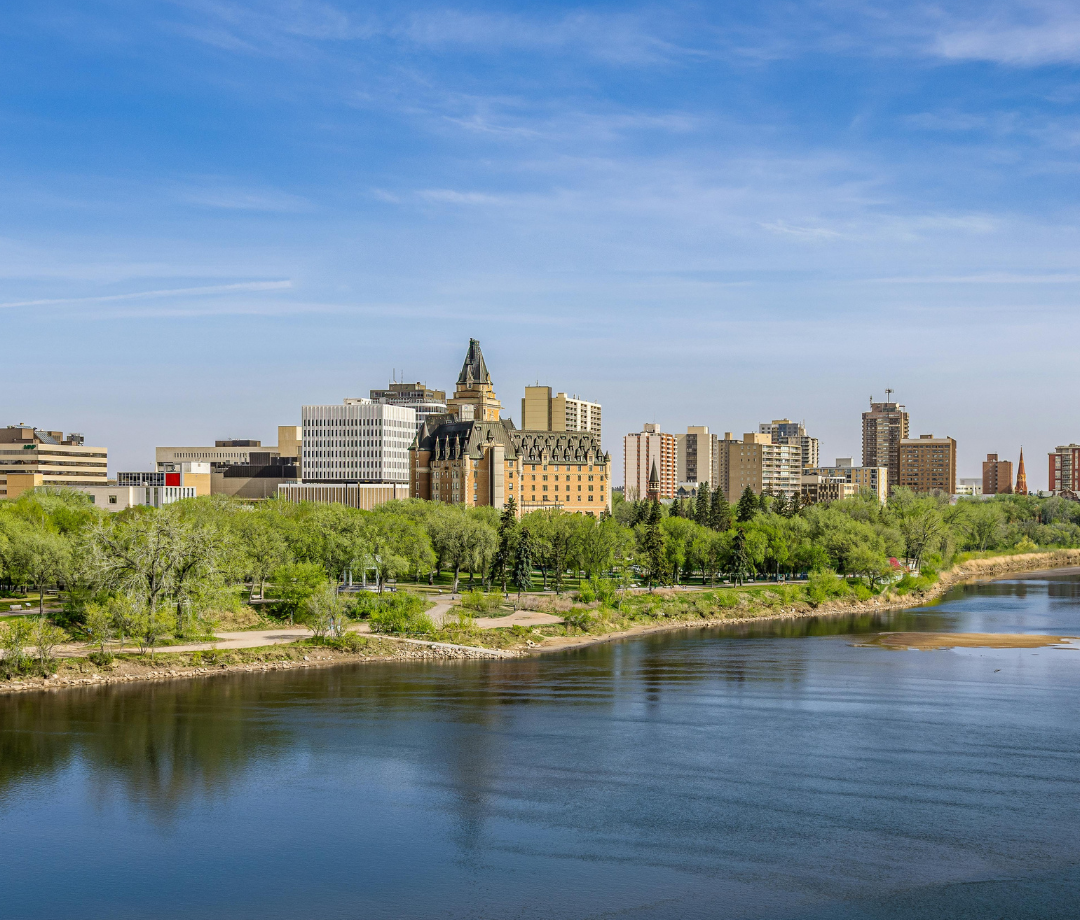
Saskatoon, due to its presence in the prairies, has a rather large temperature variance and low amounts of precipitation. The summers are often hotter than coastal cities at a similar latitude, but this comes with the trade-off of colder winters, and it is mostly dry year-round, having less precipitation than most other cities in the country.
What Is Spring Like In Saskatoon?
Spring in Saskatoon starts quite cold, but warms up very quickly. March will average highs of around freezing, with lows around -10 C (14 F), making it feel like winter. However, each of these temperatures will increase by about 10 C (18 F) for April, with highs approaching 20 C (68 F) and lows at about 5 C (41 F) in May. Each month will average a high single-digit number of days of precipitation, with it being primarily snow in March, and almost entirely rain in May, with April split between the two types of precipitation.
What Is Summer Like In Saskatoon?
Summer in Saskatoon is hot, and has slightly more rain than other seasons, although not enough for the city to be deemed a dry winter. There will generally be about 10-15 days of precipitation, all of it usually rain. Highs in June, July and August will all usually range from 20 C (68 F) to 25 C (77 F), with lows ranging from 10 C (50 F) to 15 C (59 F).
What Is Fall Like In Saskatoon?
Like many other cities, Saskatoon has a fall that mirrors its spring. September temperatures will have highs hovering at around 20 C (68 F) on average, with lows of around 5 C (41 F). However, temperatures will drop like a rock, as by November, highs will be close to freezing, with lows around -10 C (14 F). About five days of precipitation can be expected in each of September, October and November. Like most Dfb climates, Saskatoon gets to enjoy a colourful fall, as leaves will change colour at this time of year.
What Is Winter Like In Saskatoon?
Winter in Saskatoon is extremely cold and dry. Highs average around -10 C (14 F), and lows around -20 C (-4 F) in December, January and February, with about 5-10 days of precipitation per month.
Is Saskatoon For Me?
Saskatoon does have a certain appeal. The idea of each season being extremely distinct, with high amounts of sunlight and much less precipitation than other cities, makes Saskatoon worth considering.