What Is A Polar Vortex?
A polar vortex is a permanent area of low pressure, low temperature, and circulating air. The “polar” part of the name comes from the fact that they exist around and over the Earth’s north and south poles. The term “vortex” comes from the fact that cold air and low pressure are held around the poles by a wind system that forms a circular motion, similar to how a hurricane or tornado is a circular wind. These winds, known as a polar jet stream, are felt throughout the troposphere, which is the lowest level of Earth’s atmosphere, which starts at the surface and extending between 5km and 20 km high, depending on altitude and conditions. The jet stream even reaches into the stratosphere, which starts at the top of the troposphere, and can reach up to 50 km above the Earth’s surface.
These winds usually stay over their respective poles, but they do occasionally expand, especially in the winter. When a meteorologist talks about being hit by a polar vortex, they are referring to the fact that said polar vortex is now over a specific area. For example, Toronto being hit by a polar vortex means that the northern polar vortex has expanded far enough to cover Toronto.
How Does A Polar Vortex Expand?
If the jet stream weakens for any reason, the cold temperatures and lower pressure will ‘escape’ from the poles and spread out. This causes polar temperatures to travel south in the northern hemisphere, and north in the southern hemisphere. As this polar vortex expands further, more places are exposed to the type of weather usually found at the poles. Northern polar vortexes can reach quite far south, and any place in Canada is vulnerable to being caught in one.
What Are The Dangers Of A Polar Vortex?
The dangers of a polar vortex come from the cold and often windy conditions that will be present while the weather system is in your area. The combination of temperatures going as low, or even lower than -40 C (-40 F), along with harsh winds. This means that you can face dangers such as:
- Hypothermia
- Frostbite
- Power Outages
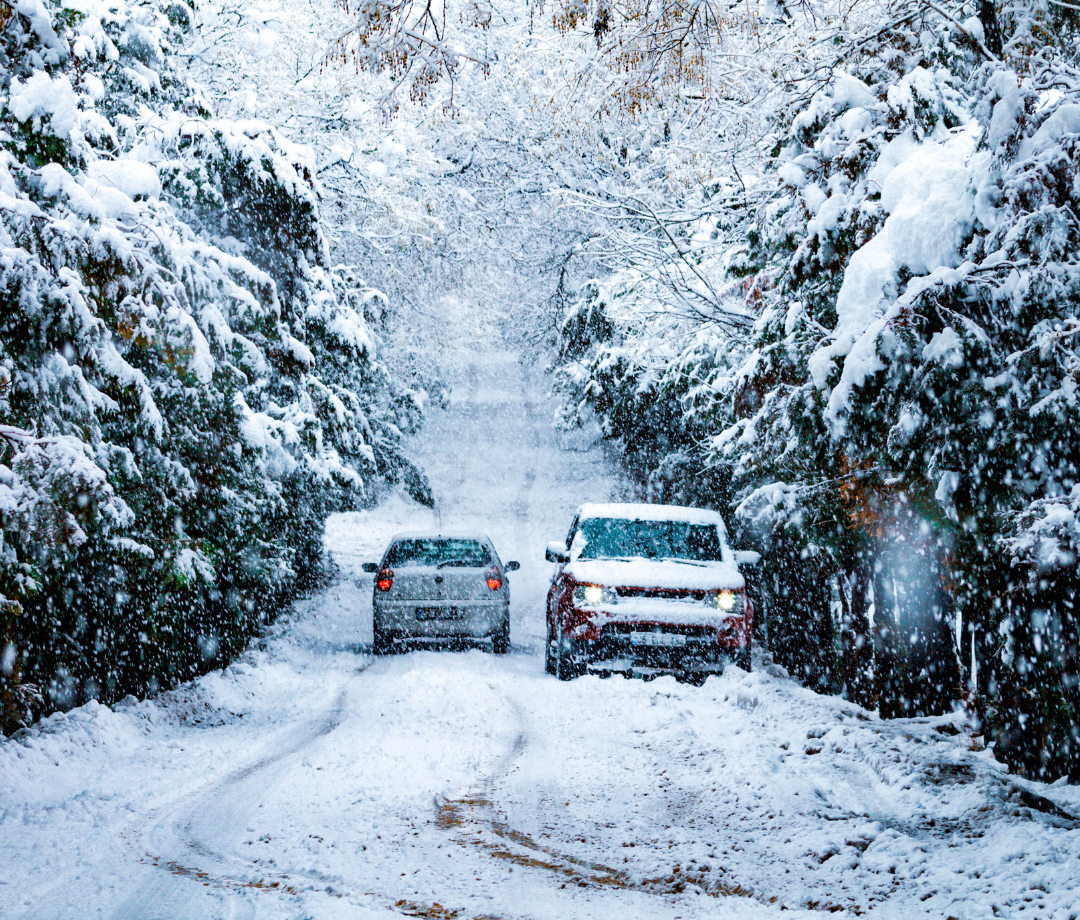
- Harsh Driving Conditions
This can also lead to things like snow days for young children. However, there are things you can do to prepare for this if you hear there is a polar vortex coming your way.
How Can You Prepare For A Polar Vortex?
While you can’t stop a polar vortex from coming to your city, there are things you can do in advance to prepare yourself for one, decreasing the dangers described above. This includes the following:
- Plan to stay inside as much as possible. Cancel any non-essential travel if conditions might be bad enough.
- Ensure that you have all your winter gear stored in advance. A heavy winter coat, snowpants, gloves or mittens, a winter hat, boots and a scarf are all recommended for any outdoor activities. Having long sleeve shirts, sweaters, long pants, hoodies, long socks, and even long underwear are recommended, as are heavy blankets.
- Tie down anything you can that’s outside.
- Be prepared for a power outage. Items like flashlights, batteries and battery-operated radios and heaters, cell phone chargers, a first aid kit, non-perishable food, water bottles, candles (do not leave unattended), a power generator, and extra clothing are all recommended purchases. Entertainment that does not require power, such as board games and card games are nice to have as well.
- Purchase anything you need to help you clear snow outside after the storm hits. Shovels, snow blowers, ice salt, and snow brushes for a car can all help here.
- Bundle up to prevent frostbite and hypothermia. Eating warm and healthy food, avoiding alcohol, having extra layers, and more, can help in preventing these two conditions.
That said, keep in mind that polar vortex-like conditions in most areas only last a few days, so an optimistic outlook can also help.