What Is The Origin Of A White Christmas?
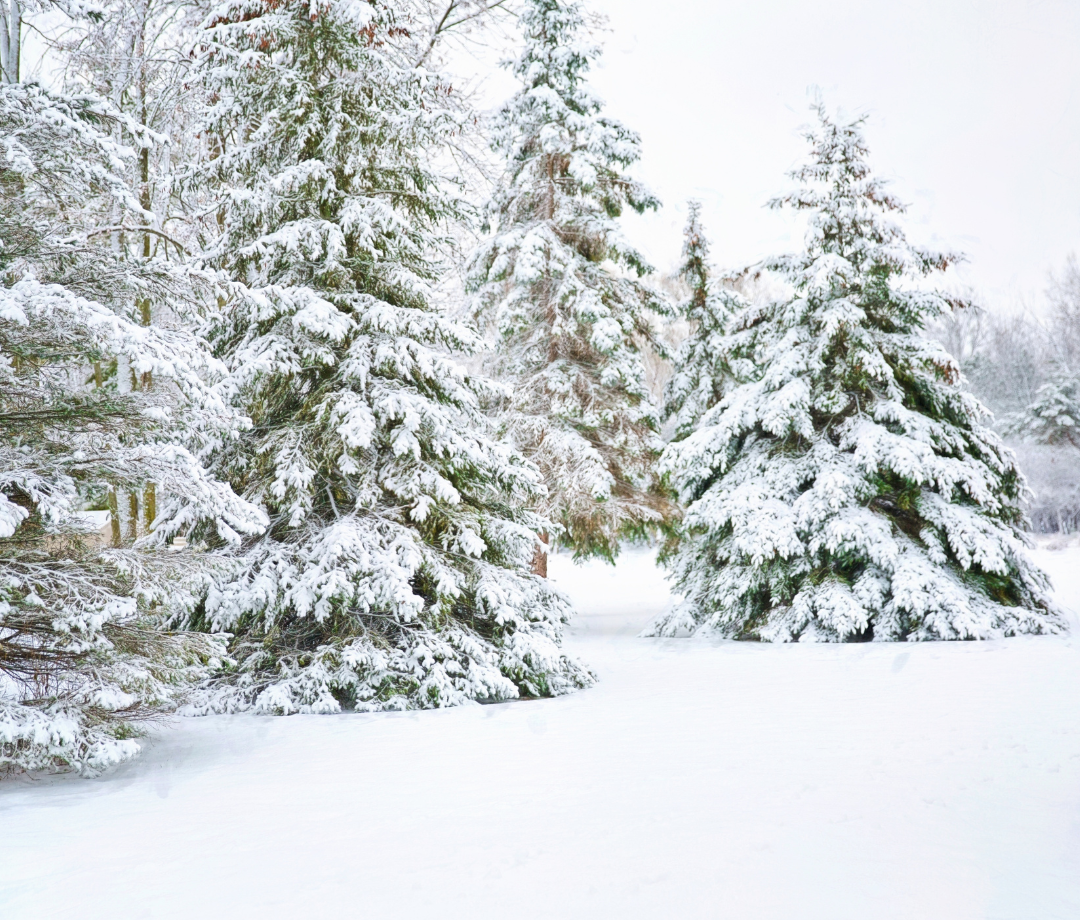
A white Christmas refers to the idea that the day of Christmas (December 25) is covered in at least some amount of snow. This is something that is so depicted in modern culture, at least in Canada, that it’s something we currently take for granted, at least for those who celebrate (if you don’t, I hope you enjoy whichever holiday you do celebrate). However, it has not always been associated with the time of year, and it isn’t even close to a global trend.
The idea of a white Christmas would probably be horrifying to people who live in the southern hemisphere, since December is summertime to them. Also, even in the further south parts of the northern hemisphere, it’s a lot less cold there, and seeing snow can be a very unusual sight, even in December.
The idea of snow during Christmas as part of the tradition began with Charles Dickens’ novels, with A Christmas Carol (1843) being the most prominent. 99 years later, in 1942, Irving Berlin wrote the song “White Christmas” that would be sung by Bing Crosby, with the lyrics you are familiar with. Crosby then starred in the 1954 movie White Christmas, directed by Michael Curtiz. Ever since, the idea of snow during the end-of-year holiday has become an increasingly large part of North American and European culture. Now, by 2025, the idea of a white Christmas is very much ingrained in our culture to the point where it’s just assumed to be there.
What Counts As A White Christmas?
The idea of a white Christmas is something that can vary from person to person. We will be using Environment Canada’s definition, which refers to having 2 cm of snow on the ground at 7 am. Furthermore, a perfect Christmas is one where there is a measurable amount of snow on Christmas Day, and at least 2 cm of snow on the ground at any point on Christmas Day. While everybody likely has their own definition of a white Christmas (which is fine), this is the definition that will be used in this article.
What Are The Odds Of A White Christmas In Certain Cities?
Environment Canada has been recording this type of information since the 50’s. As you can expect, many of the warmest cities in the country have a very low chance of having a white Christmas, while many of the colder ones are almost guaranteed to have one. Canada probably has greater variance than any other country. Below are the percentages for some of the largest cities in Canada.
All statistics for a white Christmas use information from 1955-2025. All statistics for a perfect Christmas use statistics from 1955 to 2007. I was unable to find a reason data on a perfect Christmas was not used beyond 2008, or if this information was even tracked.
What Are The Odds Of A White Christmas In The Territories?
The territories are the coldest places in Canada, and the vast majority of the time have plenty of snow around Christmas.
Iqaluit, Nunavut: Iqaluit has plenty of snow on the ground, despite a lack of snow falling at any one point. It has recorded a white Christmas every year from 1955-2025, but a comparatively low 51% chance of a perfect Christmas. Although that might seem very high, it’s much higher than most other cities.
Whitehorse, Yukon: Whitehorse also has a white Christmas every year recorded, with only a 27% chance of a perfect Christmas.
Yellowknife, Northwest Territories: Yellowknife has the same numbers as Whitehorse, with 27% of Christmases being ‘perfect’, and all Christmases measured being considered white.
What Are The Odds Of A White Christmas In BC?
BC is in a bit of a funny situation. The province’s close proximity to the Pacific Ocean means it gets plenty of precipitation, especially on the coast, but the temperatures are often too warm for snow, even in December.
Kamloops: Being somewhat close to the largest ocean in the world gives Kamloops a fair amount of precipitation, meaning that despite the warm temperatures, it does get a fair amount of snow. 51% of Christmases are white, and 25% of them are considered perfect.
Kelowna: Being slightly south of Kamloops and just a touch further from the ocean would make you think that Kelowna has slightly less snow around Christmas than Kamloops. However, the opposite is true, with 63% of Christmases being white and 26% of them being perfect. Maybe it’s the rivers nearby leading to more snow.
Prince George: Further North than the previous two, and much closer to the Pacific Ocean, Prince George does operate as you would expect, getting many more white Christmases over the long term. An entire 89% of Christmases are white, with 40% being considered perfect.
Vancouver: Despite the vast amount of precipitation Vancouver receives, it doesn’t get many white Christmases, probably due to the warmer weather. Only 10% of Christmases are white, with a measly 4% being categorised as perfect.
Victoria: Victoria gets just a touch luckier than Vancouver in this way, with 13% of Christmases being white, and 6% being perfect. Perhaps being on an island and almost surrounded by water gives you more snow.
What Are The Odds Of A White Christmas In The Prairie Provinces?
The prairies often have large amounts of snow, especially due to the cold winters compared to places with the same latitudes.
Brandon, Manitoba: Despite being located so far south compared to many other cities, Brandon gets plenty of snow this time of year, with a 94% chance of a white Christmas, and 28% of Christmases being perfect.
Calgary, Alberta: One of the downsides of being one of the sunniest cities in Canada means that Calgary gets fewer white Christmases. 61% are white, and only 4% of Christmases are perfect.
Edmonton, Alberta: Edmonton is snowier than Calgary at Christmas time, with 87% of Christmases being white, and 20% benign perfect.
Grand Prairie, Alberta: You’d think Grand Prairie would be very different from Edmonton due to how far away it is, at least for a place in the same province. However, with 86% of Christmases being white, and 26% being perfect, its numbers are very similar to Edmonton.
Lethbridge, Alberta: Canada’s windiest city doesn’t get very many white Christmases. Less than half, 49%, are white, with only 6% being considered perfect.
Medicine Hat, Alberta: Medicine Hat is only slightly snowier than nearby Lethbridge, with 57% of Christmases being white, and 17% of Christmases are perfect.
Regina, Saskatchewan: Despite being so far south, Regina gets plenty of snow in late December. An entire 86% of Christmases are white, with 38% of them being perfect.
Saskatoon, Saskatchewan: It would seem as if Saskatoon would mostly already have snow on the ground on Christmas, but it doesn’t get much more. 91% of Christmases are white, but only 22% are perfect.
Winnipeg, Manitoba: Winnipeg hits the same extremes as Saskatoon, except even further. A whole 99% of Christmases are white, but only 11% are perfect.
What Are The Odds Of A White Christmas In Ontario?
Snow amounts easily vary in Ontario, given its vast size, and it will see very varied amounts of white Christmases.
Hamilton: Being quite far south, but near Lake Ontario, Hamilton is in a position similar to much of BC, although not nearly to the same extent. 60% of Christmases during this time were considered white, but only 26% were considered perfect.
Kitchener-Waterloo: Slightly west of Hamilton, Kitchener seems to have slightly better chances of a white Christmas. 69% of Christmases are white, giving a slight improvement, but there is a much larger increase in perfect Christmases, with 45% of holidays reaching the needed threshold.
London: Even further west, London falls in between the two cities, with 66% of Christmases being white, and exactly half that amount being considered perfect.
Ottawa: The nation’s capital, being further north, Ottawa gets more snow, with 79% of Christmases being considered white. Furthermore, 35% of Christmases reach the threshold needed to be considered perfect.
Sudbury: Being close to Lake Huron, Sudbury gets more than its share of precipitation, with 93% of Christmases being considered white. However, a comparatively small 46% are perfect.
Thunder Bay: If you thought Sudbury got a lot of snow…you’d be right…but Thunder Bay gets even more. A whopping 96% of Christmases are white. However, only 38% of Christmases are perfect, which is very low compared to what is likely assumed by others.
Timmins: We’re just building up more, aren’t we? Timmins, despite being further from the lakes than many of the other cities, experiences 97% of Christmases as white, and 46% of them as perfect.
Toronto: Toronto, despite being the most populated city in the country, doesn’t get as many white Christmases as one would expect from an outsider. Less than half, only 44% of Christmases are white, and a very small 9% are considered perfect by Environment Canada.
Wiarton: Notably, Wiarton gets a fair amount of snow in late December, with 79% or Christmases being white, and 54% being seen as perfect. Perhaps those who live in the same town as our groundhog will be happy having a perfect Christmas over and over, and over every year.
What Are The Odds Of A White Christmas In Quebec?
While Quebec is huge, data is only tracked in the two most prominent cities in the province, both of which are near the southern portion of the province.
Montreal: Montreal gets to experience a white Christmas 74% of the time, with a quarter of all Christmases being perfect.
Quebec: Quebec has earned its reputation as being snowier than Montreal, with 97% of Christmases being white, and 60% of Christmases are perfect.
What Are The Odds Of A White Christmas In Atlantic Canada?
Due to the proximity to water, Atlantic Canada will generally have white Christmases, although this does vary by city.
Charlottetown, PEI: Similar to Victoria, Charlottetown is on an island in an ocean, although in this case, it’s the Atlantic, not the Pacific. This gives it plenty of precipitation, with 73% of years having a right Christmas, and 48% of years having a perfect Christmas.
Fredericton, New Brunswick: Fredericton has almost as many white Christmases as Charlottetown (71%), but only 30% of Christmases are perfect.
Halifax, Nova Scotia: Halifax isn’t quite as snowy as Fredericton and Charlottetown. At least, not in late December. 51% of Christmases are white, and 24% are perfect.
St. John’s, Newfoundland & Labrador: Being further south than people think, St. John’s, despite being surrounded by water, doesn’t get many white Christmases. 66% of Christmases are white, and only 24% are perfect.
What Else Should I Keep In Mind?
When driving to visit family during the holidays, it’s important to keep in mind that you should be careful when driving in snow and ice.
Merry Christmas to those who celebrate, and happy holidays to all others!