What Is The Climate Like In Iqaluit?
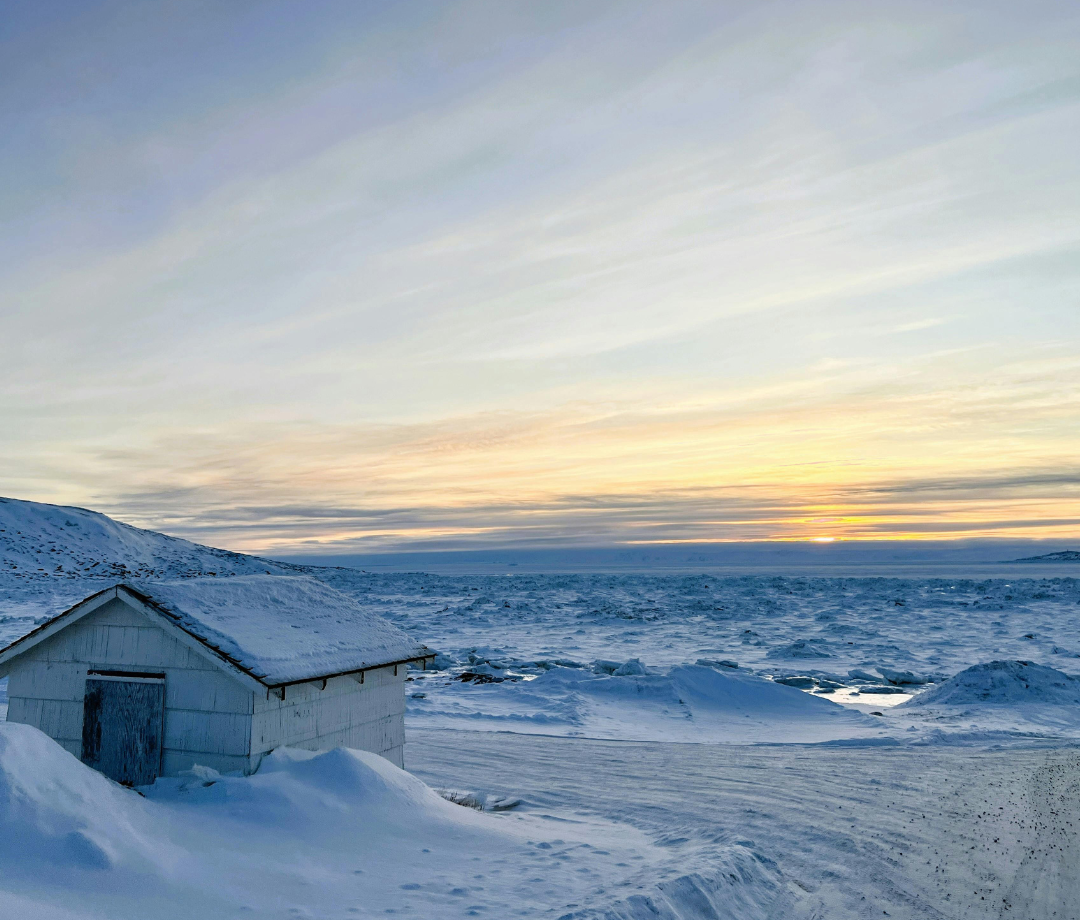
According to the Koppen Climate Classification, Iqaluit is classified as a ET (Polar Tundra) climate, which is unsurprisingly characterized by very low temperatures.
The (E) in ET stands for Polar. It is the fifth out of the five types of climates. The other four are tropical (A), dry (B), temperate (C) and continental (D). A tropical climate (A) is one where, in an average year, the average temperature will be 18 °C (64°F) or higher every month in the year. A dry climate (B) is one where a certain threshold of precipitation, calculated based on temperature, is not reached. Both temperate climates (C) and continental climates (D) are determined by having at least one month with a temperature above 10 °C (50 °F), without being tropical or dry. When discussing these two, a place with no month having an average temperature below freezing is considered temperate, and one with at least one month averaging below freezing is considered continental. Places where there is no month where the temperature goes above 10 °C (50°F), like Iqaluit, are considered polar (E).
There are two types of polar climate: Tundra (T) and Ice Caps (F). The differences between these two is that tundra will have at least one month with an average temperature above freezing, while Ice Caps will not. Most polar climates are located far from the equator, and despite covering over 20% of Earth’s land, very few people live in a polar climate due to how cold they are.
What Is Everyday Weather Like In Iqaluit?
Iqaluit is one of the coldest, most arctic-like places in Canada. Even relatively cold places like Yellowknife are warm by comparison when compared to Iqaluit. The city also has a high amount of humidity and cloud cover throughout the year, and almost every month has an average wind speed of 15 km/h (9 mph). Despite this, there is a relatively small amount of precipitation, so even though a large portion of the precipitation in the city is snow. Also, it should be known that the day/night cycle has many extremes in Iqaluit, with the midnight sun even existing this far up north.
What Is Spring Like In Iqaluit?
Spring in Iqaluit is much colder than it is in most other cities. In fact, it can be even colder than winter in many much warmer cities. In March, highs will generally hover around -15 C (5 F), with lows at around -25 C (-13 F). Even by the end of the season, in May, highs will be close to freezing, and lows will be between -5 C (23 °F) and -10 °C (14 °F). Despite these low temperatures, there won’t be much snowfall due to March, April, and May each usually having less than 5 days of precipitation, despite humidity being in the 80s and cloud cover being over 60% in each of the three months on average.
What Is Summer Like In Iqaluit?
Summer is really the only season in Iqaluit where temperatures will normally be above freezing. In all three months, highs will generally be around 5 °C (41°F) to 10 °C (50°F), with lows ranging from freezing to 5 °C (41°F). Humidity in each month will range from about 70% to 80% and could cover will generally be between 60% and 70%, with 5-10 days of precipitation per month.
What If Fall Like In Iqaluit?
Fall is when Iqaluit quickly changes back to below freezing. Although the leaves here can change colour, similar to continental and temperate climates, the low number of trees here makes this a relatively uncommon sight compared to most other cities.
September will generally still have temperatures above freezing, with highs at around 5 °C (41 °F), and lows close to freezing. However, both October and November will be significantly colder, with both highs and lows being a few degrees away from -10 °C (14°F) by the end of November. Humidity will generally average in the low 80s throughout the entire season, with cloud cover generally averaging around 70%-75%.
What Is Winter Like In Iqaluit?
Iqaluit has one of the most brutal winters in all of Canada, especially from a temperature standpoint. December is pretty rough, with highs generally averaging around -15 C (5 F), with lows around -20 C (-4 F). These temperatures drop even further, each being 5 °C (9°F) lower in January and February. Could cover will hover in the mid-60s on average throughout the season, with humidity in the low 80s. Even though the total days with precipitation can end up being in the single digits, even when all three months are added up, this leaves snow on the ground throughout the entire season
Is Iqaluit For Me?
There are a select few who would enjoy Iqaluit. Due to the extremely long days in summer, equally long nights in winter, and very cold conditions, there are not many who would call this their ideal place to reside. However, if the extremes of this unique city appeal to you, then there is no better place in Canada to experience them.